
Embarking on a gorilla trekking adventure in Bwindi Impenetrable National Park is a transformative experience, blending awe-inspiring wildlife encounters with meaningful contributions to conservation and local communities. This guide offers an expert roadmap to navigating the complexities of gorilla trekking permits, practicing respectful and ethical wildlife viewing, and understanding how your visit supports sustainable tourism in this remarkable Ugandan rainforest. Whether you are an avid primate enthusiast, a conscientious traveler, or planning your first East African safari, this comprehensive overview from Traverse Afrika equips you with the insider knowledge to make your Bwindi journey unforgettable and responsible.
Understanding Bwindi Impenetrable National Park and Its Gorilla Treks
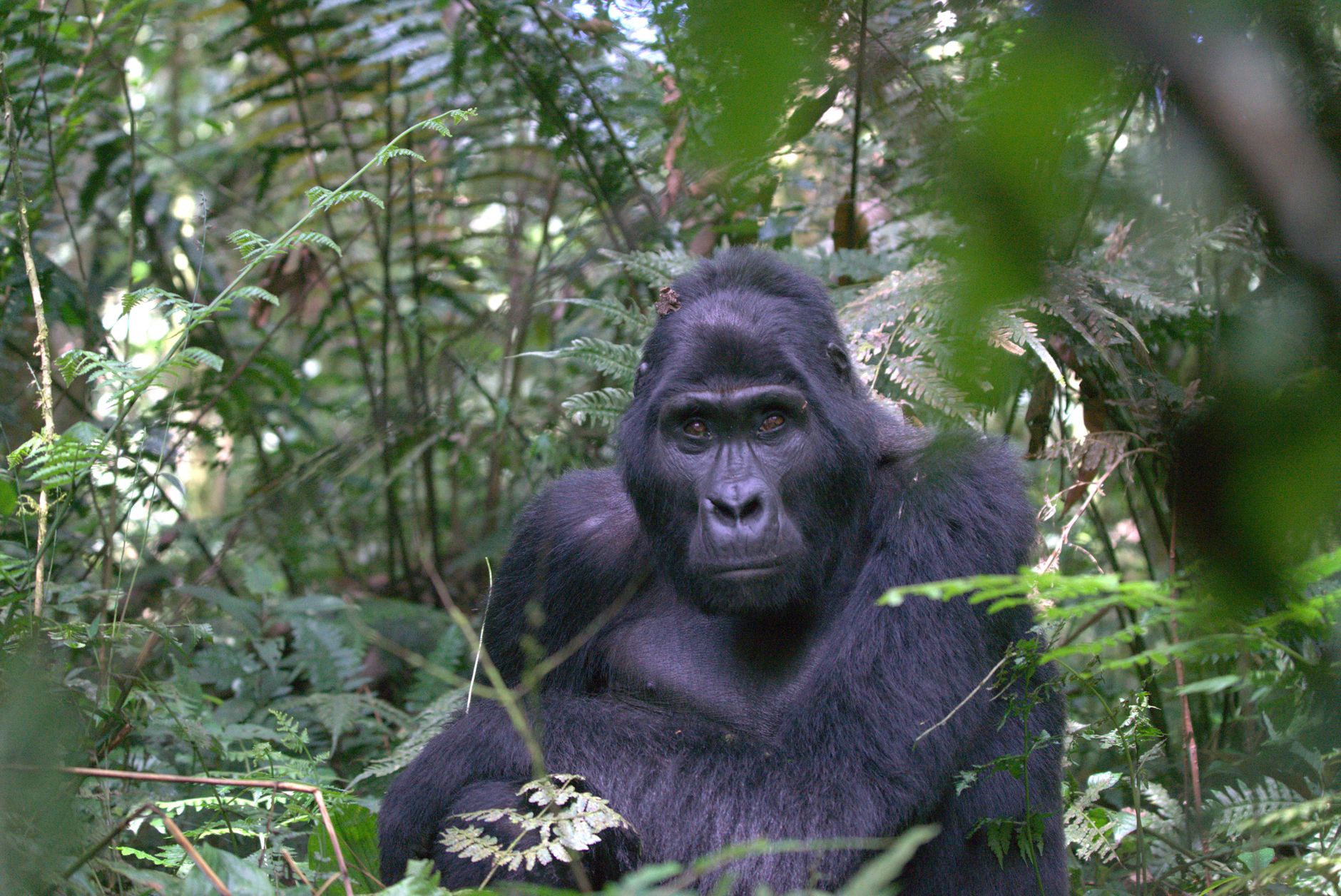
Bwindi Impenetrable National Park, nestled in southwestern Uganda, is a UNESCO World Heritage Site celebrated for its extraordinary biodiversity and as a sanctuary to approximately half of the world’s remaining mountain gorilla population. Beyond the iconic gorillas, the park’s dense tropical forest harbors a wealth of flora and fauna, including over 350 bird species and numerous primates, making it a coveted destination for wildlife lovers and birders. Trekking here offers more than just a wildlife sighting—it is a journey into an ancient ecosystem steeped in natural wonder and profound conservation significance.
The physical terrain of Bwindi is renowned for its challenging yet rewarding trekking routes, winding through thick undergrowth, steep inclines, and misty forest trails. Preparation for this trek goes beyond basic fitness; visitors must be ready for humid conditions and variable weather while adhering strictly to park regulations designed to protect the gorillas and their habitat. Traverse Afrika’s tailored Uganda Gorilla Trekking Safaris include guidance to help you prepare physically and mentally, optimizing your chances for a safe, ethical, and rewarding encounter with these gentle giants.
Securing Gorilla Trekking Permits: What You Need to Know
Obtaining permits for gorilla trekking in Bwindi requires early planning due to limited daily visitor quotas and high demand, especially in peak seasons from June to September and December to February. The Ugandan Wildlife Authority manages these permits, which are issued on a first-come, first-served basis and must be purchased in advance—sometimes several months ahead during peak periods. Traverse Afrika assists travelers by streamlining the permit application process, offering expert advice on timing, availability, and official booking channels to ensure a smooth and worry-free experience.
Permits currently cost US$700 per person, with proceeds directly funding park management and community development projects. Visitors should be aware that only eight people can visit a single gorilla family each day, and each trekking experience lasts a maximum of one hour to minimize stress on the animals. Your permit is not just a ticket—it is a vital contribution to ongoing conservation efforts in Bwindi and a privilege granting access to one of nature’s most intimate wildlife encounters.
Ethical Gorilla Trekking: Respecting Wildlife and Enhancing Safety
Ethical trekking practices in Bwindi are essential to protect the health and wellbeing of mountain gorillas while providing visitors with meaningful experiences. Visitors must maintain a safe distance of at least seven meters, avoid eating or smoking near the gorillas, and refrain from making loud noises or sudden movements. Trekking groups are carefully guided by trained local trackers who monitor gorilla activity and enforce park regulations. These protocols help prevent disease transmission and reduce human-induced stress on the animals.
Traverse Afrika emphasizes education and responsible travel in all guided excursions, ensuring travelers understand the importance of these guidelines and their role as respectful custodians of the forest. Visitors are also encouraged to wear neutral-colored clothing, use biodegradable insect repellent, and follow all instructions from their guides closely to safeguard the fragile ecosystem and the gorillas’ natural behaviors. By upholding these standards, tourists contribute to a sustainable model of primate tourism that prioritizes conservation and animal welfare over mere observation.
Community Conservation and Local Benefits: The Broader Impact of Trekking
Your journey to Bwindi is intertwined with the lives and livelihoods of the surrounding communities, many of whom belong to indigenous groups such as the Batwa and Bakiga. Gorilla trekking tourism generates crucial revenue that supports community development initiatives, including education, healthcare, and infrastructure improvements. Traverse Afrika collaborates with local partners to facilitate culturally immersive experiences that honor these communities while promoting their stewardship of the forest.
Visitors may participate in optional cultural tours and visits to community-run projects, gaining insight into how tourism helps preserve indigenous traditions and improves quality of life. This approach fosters a genuine connection between travelers and locals, reinforcing the reciprocal benefits of conservation-centered tourism. The transparency of funding flows from permits and tours encourages travelers to appreciate their role within a broader ecosystem of environmental protection and socio-economic support.
Planning Your Bwindi Trek: Travel Logistics, Timing, and Accommodation
The best seasons for gorilla trekking in Bwindi are during the dry periods, typically from June to September and December to February, when forest trails are more accessible and wildlife sightings are often clearer. Health precautions are paramount; travelers should ensure they are up-to-date on vaccinations including yellow fever and maintain malaria prophylaxis due to the region’s endemic risk. Proper preparation also involves suitable trekking gear such as sturdy boots, rain jackets, long-sleeve shirts, and water-resistant backpacks for comfort and safety.
Traverse Afrika offers a range of sustainable accommodation options near Bwindi, from eco-lodges nestled on the forest edge to luxury tented camps built with minimal environmental impact. These lodgings emphasize local materials, renewable energy use, and community employment, aligning with ethical tourism principles. Moreover, many itineraries integrate Bwindi trekking with visits to other Ugandan highlights like Queen Elizabeth National Park and Kibale Forest, providing a well-rounded safari experience that showcases the country’s diverse wildlife and cultural heritage.
Conclusion: Empowering Ethical and Enriching Bwindi Gorilla Trekking
Gorilla trekking in Bwindi Impenetrable National Park is an extraordinary adventure that offers profound encounters with one of the planet’s most endangered species amid one of Africa’s lushest rainforests. By understanding the permit process, adhering to ethical trekking practices, supporting local communities, and preparing carefully for your journey, you ensure a responsible and memorable experience. Traverse Afrika’s expert guides and curated tours provide seamless logistics and meaningful engagement, empowering you to explore Bwindi with respect, awareness, and deep appreciation for its conservation legacy. Plan your adventure today and become part of the ongoing story to protect and celebrate Uganda’s remarkable mountain gorillas.
