

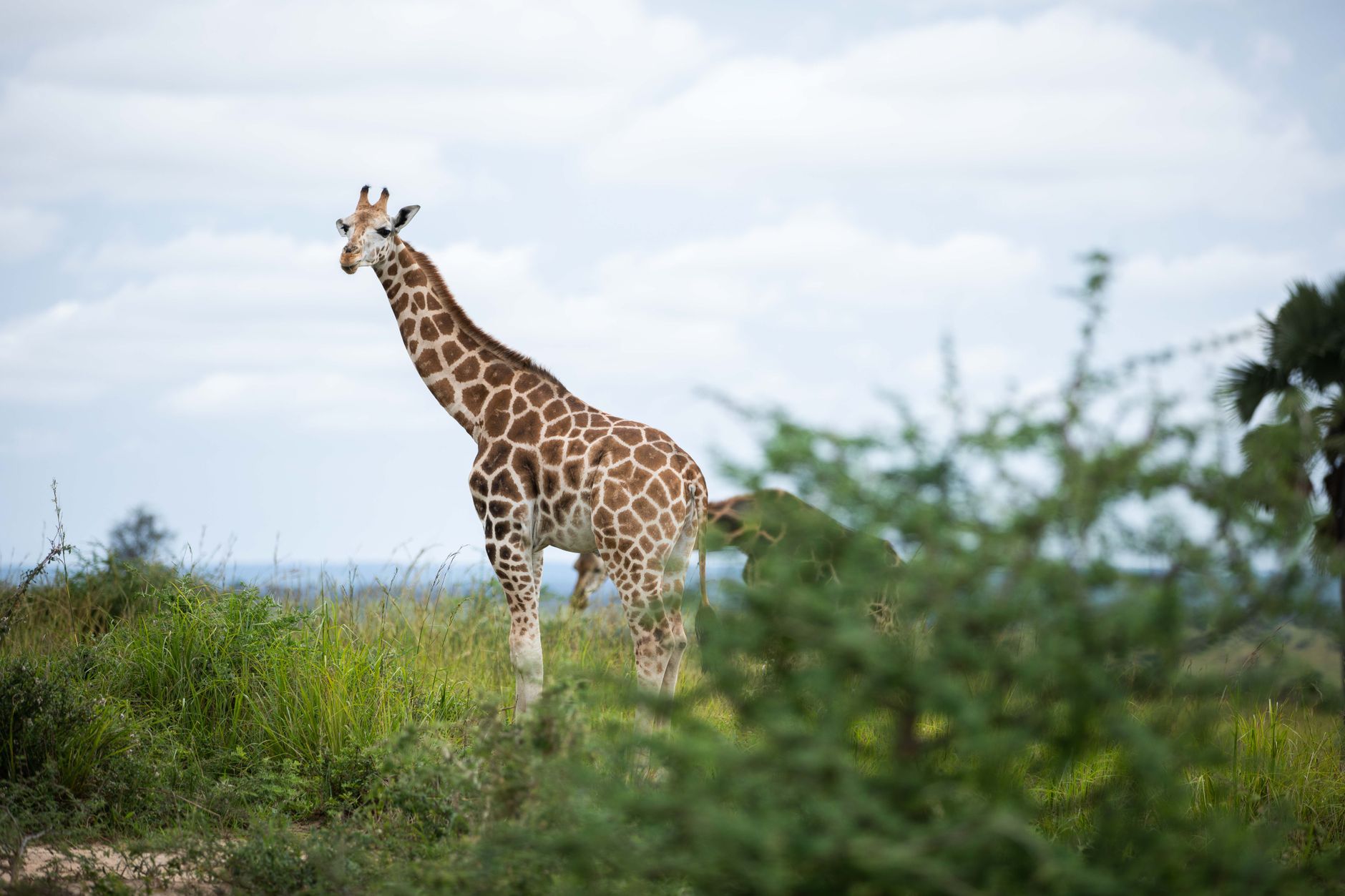
Embarking on an East African adventure, whether it’s a wildlife safari through the Masai Mara or an exhilarating trek up Mount Kilimanjaro, requires thoughtful preparation and packing. The region’s diverse landscapes and climates demand gear tailored to specific activities, health and safety considerations, and respect for local customs. With expert insight from Traverse Afrika’s range of curated tour experiences, this comprehensive guide will equip you with essential packing tips, practical advice, and sustainable travel insights – ensuring your journey is not only enjoyable but securely planned and environmentally responsible.
Essential Safari Packing: Comfort and Functionality for Game Drives and Wildlife Encounters
Safari travelers venturing into East Africa’s famed parks such as Serengeti, Ngorongoro Crater, or Lake Nakuru will benefit from versatile clothing designed for warm days and cooler early mornings. Neutral colors like khaki, olive, and beige are ideal to blend into the environment and avoid startling wildlife. Lightweight, breathable fabrics for shirts and trousers will keep you comfortable while protecting from sun exposure, paired with a wide-brim hat and high-quality UV protection sunglasses. A sturdy pair of walking shoes or safari boots is crucial for on-foot nature walks and vehicle treks alike, while moisture-wicking socks help prevent blisters during extended outings.
Field essentials include binoculars for birdwatching—especially beneficial in Lake Manyara and Lake Nakuru, known for their diverse avian populations—and a good quality camera with zoom capability to capture the spectacular wildlife moments, such as the Serengeti migration or Amboseli’s elephants against Kilimanjaro’s backdrop. Don’t overlook a compact daypack for your water, snacks, and extra layers. Lightweight rainwear is also recommended during the short rainy seasons to keep excursions uninterrupted.
Preparing for Mountaineering and Primate Trekking: Specialized Gear and Physical Readiness
For those tackling Mount Kilimanjaro or Mount Kenya, or trekking through Uganda’s Bwindi Impenetrable and Kibale National Parks for gorilla and chimpanzee encounters, specialized hiking gear and physical preparation are paramount. Layering is key: moisture-wicking base layers, insulating mid-layers such as fleece or down jackets, and waterproof outer shells provide versatility for unpredictable mountain weather. Durable trekking boots with ankle support and well-broken-in soles will significantly reduce foot fatigue and protect against rough terrain.
Additional technical equipment, such as trekking poles, headlamps, and hydration packs, enhance endurance and safety during multi-day climbs. Traverse Afrika advises climbers to engage in cardiovascular and strength training to adapt to high altitudes and strenuous ascents, supplemented by gradual acclimatization following recommended route itineraries. For primate trekking, lightweight but long-sleeved clothing protects against insect bites and dense vegetation, while gaiters shield lower legs from mud and thorns. Bringing biodegradable insect repellent and water purification tablets supports health during remote rainforest excursions.
Health, Safety, and Environmental Considerations for Traveling in East Africa
Travelers must prioritize health precautions, including malaria prophylaxis tailored to the specific East African regions they will visit. Essential vaccinations such as yellow fever, typhoid, hepatitis A, and routine immunizations should be up-to-date per current medical guidance. Sun protection extends beyond clothing—with reef-safe sunscreen vital for protecting sensitive ecosystems like Zanzibar’s coral reefs.
Maintaining hydration is critical under the region’s sometimes intense sun and varying altitudes. Carrying reusable water bottles with built-in filters aligns with Traverse Afrika’s commitment to sustainable travel by reducing single-use plastic waste. Emergency medical kits equipped with basics—antiseptics, pain relievers, and blister treatments—are highly recommended, especially when trekking in remote areas. Knowledge of local emergency contacts and travel insurance coverage for adventure activities will provide additional peace of mind throughout your journey.
Logistics and Practical Packing Tips for Seamless East African Travel
East African safaris and trekking tours often involve inter-country transfers and may include regional flights with strict baggage limits. Travelers should plan to use durable, lightweight luggage with secure locks, ensuring weight compliance typically ranging between 15-20 kg per checked bag on light aircraft transfers. Packing cubes or compression bags help organize gear efficiently within limited space.
Respect for cultural sensitivities influences packing choices as well. Modest attire is advised when visiting Maasai villages or urban centers such as Nairobi and Kigali, where covered shoulders and knees honor local customs. Bringing a universal power adapter with surge protection is necessary for the varying plug types encountered across Kenya, Tanzania, Uganda, Rwanda, and Ethiopia. Finally, a reliable travel guidebook or offline map app preloaded with Traverse Afrika’s itinerary details will facilitate navigation and enhance your experience while minimizing reliance on intermittent internet access.
Sustainable and Ethical Gear Choices: Supporting Responsible Travel in East Africa
As an operator deeply committed to conservation and community partnerships, Traverse Afrika encourages travelers to consider the environmental impact of their gear choices. Opting for eco-friendly products such as biodegradable toiletries, solar-powered chargers, and ethically sourced clothing aligns with sustainable tourism principles. Reusable, lightweight food containers and utensils reduce waste during long days in the wilderness.
Prioritizing safari lodges and camps with strong commitments to environmental management—such as those within the Masai Mara and Ngorongoro Crater reserves—advances responsible tourism. Furthermore, supporting local artisans by purchasing handmade accessories or cultural items during your trip fosters meaningful community connections. Sustainable packing that minimizes plastic and embraces durability also ensures your East African adventure is as gentle on the environment as it is exhilarating.
Conclusion: Confidently Embarking on Your East African Safari and Trekking Journey
Preparing for a safari or mountaineering adventure in East Africa offers exciting challenges that combine vibrant wildlife, stunning landscapes, and rich cultural encounters. By thoughtfully assembling activity-specific gear, heeding health and safety protocols, and embracing sustainable packing practices, travelers maximize comfort, safety, and positive impact throughout their journey. Guided by Traverse Afrika’s expert recommendations and local insights, your East African adventure promises unforgettable memories shaped by preparedness and respect for this breathtaking region’s unique natural and cultural heritage.
