

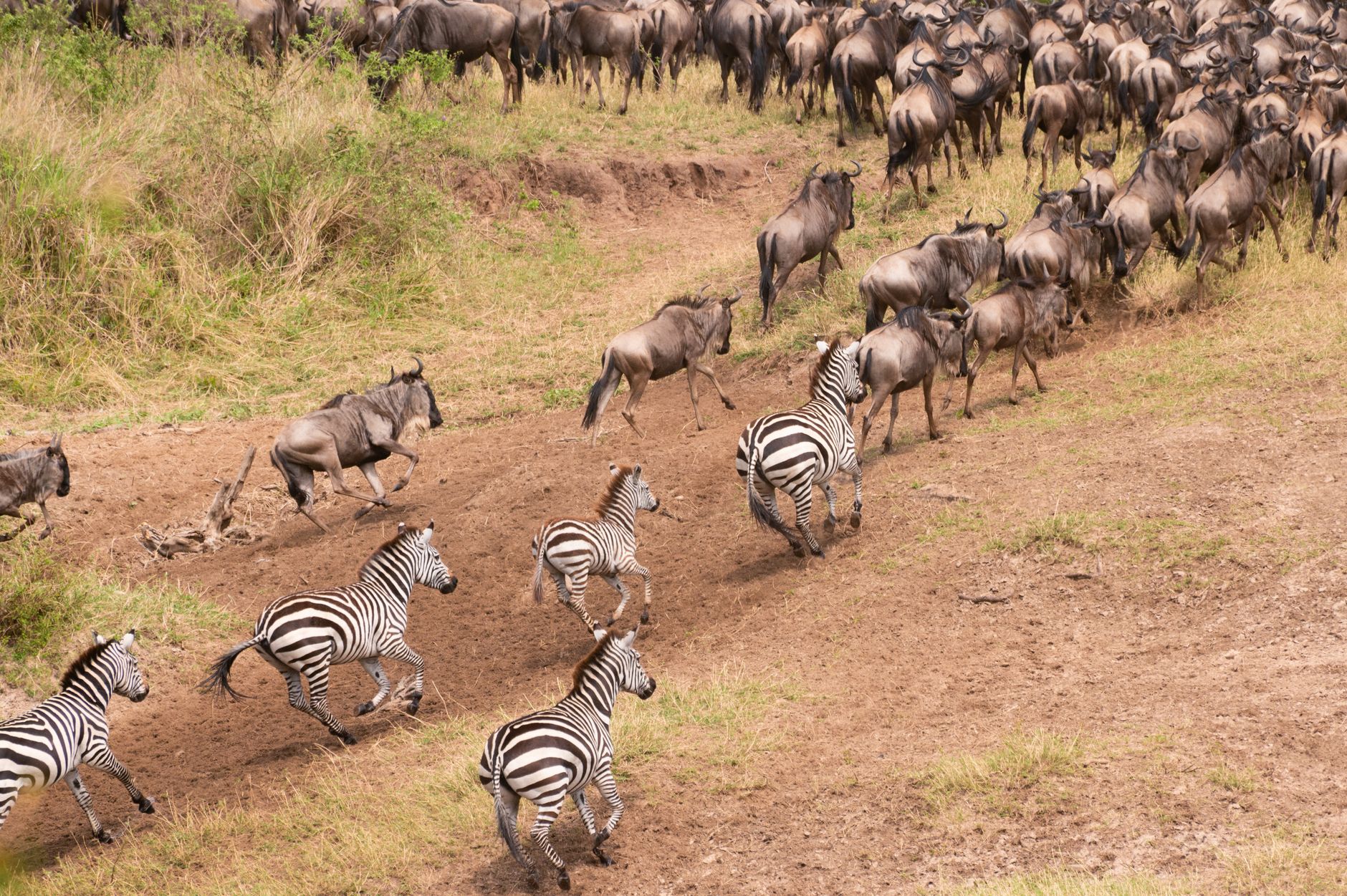
For travelers drawn to East Africa’s abundant landscapes and vibrant wildlife, Kenya’s iconic parks offer a safari experience like no other. Masai Mara, Amboseli, Lake Nakuru, and Lake Manyara collectively showcase diverse ecosystems, from vast savannahs to shimmering alkaline lakes, each hosting unique species and seasonal spectacles. Beyond simply witnessing nature’s marvels, today’s responsible traveler increasingly seeks sustainable safari options that benefit local communities and preserve habitats. This comprehensive guide navigates the best times to visit these remarkable parks, highlights eco-friendly lodges balancing luxury with conservation, and shares expert tips on designing custom itineraries that maximize wildlife encounters ethically and memorably.
Seasonal Wildlife Highlights Across Key Kenyan Parks
Understanding wildlife patterns and seasonal variations is essential for crafting a safari that delivers unforgettable sightings. The Masai Mara National Reserve garners global acclaim for the Great Migration occurring roughly from July to October, when millions of wildebeest, zebras, and gazelles traverse the plains, attracting big cats and crocodiles. For those keen on the Big Five—lion, leopard, rhino, elephant, and buffalo—year-round viewing is excellent, with peak predator activity during the dry months of June to October.
Amboseli National Park is renowned for its large elephant herds and striking views of Mount Kilimanjaro. The dry season, from June to October, congregates elephants around the remaining water sources, providing spectacular photographic opportunities and intimate wildlife observation. Lake Nakuru offers a contrasting spectacle with its famous flamingo blooms—though their presence fluctuates with water levels—but also harbors black and white rhinos, buffalo, and an impressive bird population year-round. Finally, Lake Manyara is a birdwatcher’s haven, featuring dense forests and soda lake ecosystems that support species such as the electric blue lilac-breasted roller and lesser flamingos, best visited during the drier months from June to September.
Eco-Friendly Lodges: Where Conservation Meets Comfort
Safari accommodations have evolved beyond mere luxury to embrace ecological responsibility and community partnership. Several lodges and tented camps within or adjacent to these parks implement sustainable practices—such as solar energy use, waste reduction, water recycling, and support for local conservation initiatives. In Masai Mara, eco-lodges combine elegant design with minimal environmental footprints, often built using local materials and staffed by Maasai community members, offering guests authentic cultural interactions alongside wildlife adventures.
Amboseli’s eco-conscious camps prioritize low-impact structures enabling wildlife corridors to remain undisturbed, while also engaging guests in conservation education about elephant protection. Near Lake Nakuru, some lodges contribute to rhino conservation projects and employ guided walking safaris that promote awareness of fragile ecosystems. Meanwhile, Lake Manyara offers family-friendly eco-lodges integrating sustainable tourism with intimate access to bird-rich habitats and community-led cultural experiences. Choosing these accommodations not only enriches the guest stay but supports the preservation of natural and cultural heritage.
Crafting Custom Itineraries for a Seamless Multi-Park Experience
One of the advantages of Kenya’s well-connected parks lies in the ease of designing multi-day safari journeys that traverse different landscapes and wildlife profiles. A balanced itinerary might start in Amboseli, reveling in elephant sightings with Kilimanjaro as a backdrop, then proceed to Masai Mara for diverse carnivore and Great Migration viewing. Lake Nakuru’s flamingos and rhino tracking provide an intriguing mid-point stop before culminating days at Lake Manyara, where birdwatching and forest wildlife rounds out your safari narrative.
Traverse Afrika specializes in tailor-made itineraries that synchronize park travel logistics, guide expertise, and guest interests. Expert guides will recommend ideal game drive times, walks, and night activities within the parks, fully aligned to ethical wildlife viewing guidelines—maintaining respectful distances, avoiding habitat disruption, and observing animal behaviors without interference. Combining these parks also introduces a variety of landscapes and climates, so thoughtfully planned schedules ensure travelers acclimate comfortably while maximizing time spent in nature.
Ethical Wildlife Viewing and Community Conservation Impact
Responsible safari travel requires more than appreciation—it demands mindfulness to protect both animals and the communities sharing their environment. Traverse Afrika’s itineraries adhere to internationally recognized ethical standards, emphasizing minimal noise, avoiding vehicle overcrowding near wildlife, and supporting anti-poaching efforts through tourism revenue. Many lodges involved engage directly in community development—funding education, health, and wildlife monitoring programs that uplift local Maasai, Kikuyu, and other indigenous groups.
Visitors are encouraged to participate in local conservation initiatives, such as guided cultural tours that explain coexistence strategies between people and wildlife, and visit community conservancies benefiting from responsible tourism. Such engagement fosters mutual respect and ensures safari tourism yields a positive legacy, protecting Kenya’s treasured biodiversity for generations.
Expert Tips for Maximizing Safari Photography and Wildlife Encounters
Photographers and wildlife enthusiasts alike gain from specialized advice to capture Kenya’s authentic wilderness moments. Early morning and late afternoon game drives capitalize on soft lighting and peak animal activity. For Masai Mara and Amboseli, focusing on predatory behaviors and large elephant herds respectively can yield dramatic images, while bird photographers thrive around Lake Nakuru and Manyara’s diverse avifauna habitats.
Practically, using lenses suited to wildlife distances, carrying extra batteries, and maintaining camera silence help optimize shots without disturbing animals. Guides offer unparalleled insight spotting elusive species and advising optimal viewpoints. Moreover, combining photographic pursuits with ethical practices—such as avoiding flash and respecting animal comfort zones—ensures encounters remain sustainable and rewarding.
Conclusion: Embracing an Authentic, Sustainable Kenyan Safari Journey
Crafting a sustainable safari encompassing Masai Mara, Amboseli, Lake Nakuru, and Lake Manyara opens the door to richly varied wildlife experiences woven with ethical travel principles. By aligning travel dates with seasonal wildlife highlights, selecting eco-friendly lodges that champion conservation, and customizing itineraries with expert guidance, travelers can deeply connect with Kenya’s natural heritage while supporting local communities. This approach enriches every moment—from witnessing the great migration to spotting rare bird species—all within a framework of respect for nature’s delicate balance. With preparation rooted in knowledge and sustainability, your East African safari becomes not only a journey of discovery but a legacy of stewardship preserving Africa’s wild treasures.
