

Exploring the rich biodiversity of Uganda’s Bwindi Impenetrable National Park through gorilla trekking is a bucket-list wildlife experience that combines adventure, conservation, and cultural engagement. For travelers seeking an unforgettable encounter with mountain gorillas, knowing how to navigate the permit process, prepare physically, and embrace responsible tourism principles is essential. Beyond the magical moments with these majestic primates, Bwindi tours play a vital role in supporting local communities and safeguarding fragile ecosystems. This guide offers a comprehensive, responsible approach to planning your Bwindi gorilla adventure, ensuring a smooth, ethical, and impactful journey through one of Africa’s most treasured natural sanctuaries.
Understanding Gorilla Trekking Permits and Booking Essentials
Gorilla trekking permits are a key component of any visit to Bwindi Impenetrable National Park. Due to the limited number of permits issued daily—usually capped at a few permits per gorilla family—early booking is crucial, especially during peak seasons from June to September and December to February. Permits are issued by the Uganda Wildlife Authority and typically cost several hundred US dollars, reflecting both the exclusivity of the experience and the funds required to support park management and conservation. Traverse Afrika assists travelers in securing these permits as part of tailor-made itineraries, ensuring a seamless arrangement of park entry, guides, and transportation. Permit buyers must plan ahead, as permits are non-transferable and strictly regulated to minimize impact on gorilla families.
Physical and Logistical Preparation for Bwindi Gorilla Trekking
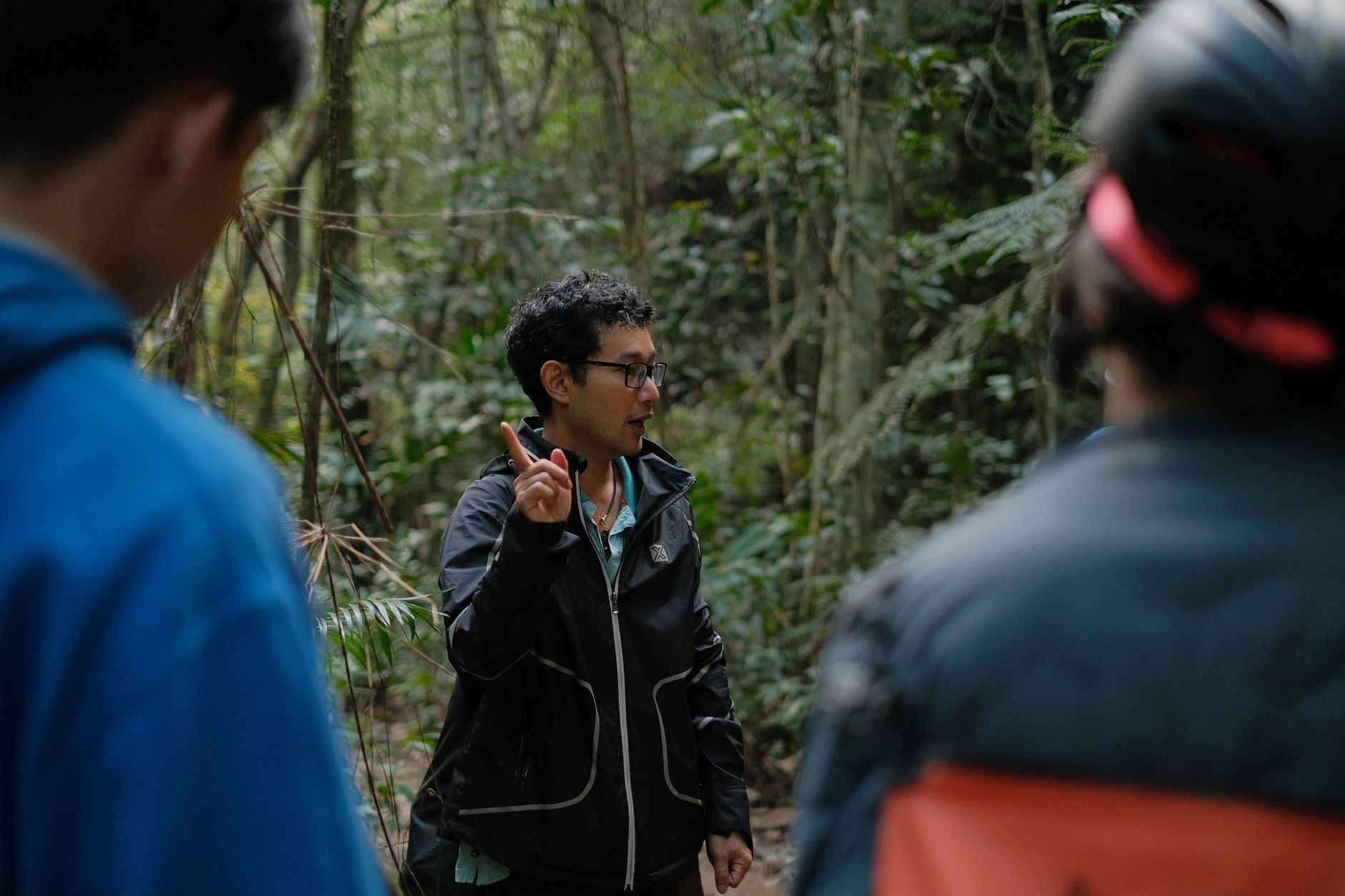
Trekking in Bwindi requires a reasonable level of fitness and mental readiness due to the impenetrable forest terrain and variable altitudes, ranging from 1,160 to 2,607 meters above sea level. Treks can last from 2 to 6 hours depending on gorilla tracking conditions. Travelers are advised to prepare with cardiovascular exercises, hiking practice, and flexibility routines several weeks before their tour. Essential gear includes sturdy, waterproof hiking boots, long-sleeved clothing to protect against nettles and insects, a good walking stick, and rain gear given Bwindi’s high rainfall. Health considerations are important: all trekkers should be up-to-date on routine vaccinations, carry anti-malarial medication, and disclose any respiratory illnesses to guides, as transmission risks to gorillas are a critical concern. Professional guides provided by Traverse Afrika equip guests with vital safety briefings and oversee strict adherence to park regulations throughout the trek.
Ethical Guidelines for Responsible Gorilla Encounters
Mountain gorillas are endangered and highly sensitive to human contact, making ethical tourism essential. Bwindi permits specify that groups may spend only one hour with a gorilla family, during which maintaining a minimum distance of seven meters is mandatory to prevent disease transmission. Visitors are instructed not to touch the gorillas, avoid loud noises, and cease photographing if gorillas show signs of distress. These regulations protect the health and welfare of the animals and reduce habitat disturbance. Supporting responsible tourism also means choosing operators like Traverse Afrika that emphasize conservation education, guide training, and contributions to park sustainability. By respecting these guidelines, travelers help ensure the survival of mountain gorillas for future generations while enjoying a profound wildlife experience.
Community Empowerment and Conservation Impact through Tourism
Gorilla tourism in Bwindi goes beyond wildlife viewing; it serves as a critical tool for community upliftment and habitat protection. Local Batwa and Bakiga communities benefit directly from tourism revenues through employment opportunities, cultural tours, and infrastructure development funded by tourism income. Traverse Afrika’s tours highlight how visitor fees support park rangers’ salaries, anti-poaching initiatives, and conservation research. Additionally, community-led projects in education, health, and sustainable agriculture thrive thanks to this income stream. Responsible travelers gain richer cultural insights by engaging respectfully with local communities, contributing to poverty alleviation, and fostering a symbiotic relationship between wildlife preservation and human wellbeing. This model exemplifies how eco-conscious travel can generate tangible conservation outcomes paired with authentic cultural exchanges.
Integrating Bwindi Gorilla Trekking into Broader Ugandan Safaris
Agorilla trekking experience in Bwindi pairs exceptionally well with other wildlife-rich Ugandan destinations such as Kibale National Park, famous for chimpanzee tracking, and Queen Elizabeth National Park, renowned for its diverse safari game drives. Traverse Afrika offers customizable multi-day safari packages that combine these parks, allowing travelers to maximize their wildlife encounters and cultural immersion within a single itinerary. Incorporating scenic intervals with Uganda’s beautiful landscapes, crater lakes, and community visits ensures a varied, enriching journey. Efficient logistics like airport transfers, internal flights, and comfortable lodges are meticulously arranged to reduce travel stress and enhance comfort. This integration exemplifies how Bwindi tours can fit seamlessly into a larger East African safari adventure, delivering depth, flexibility, and professional guidance every step of the way.
Practical Tips for a Safe and Enjoyable Gorilla Trekking Trip
To make the most of your Bwindi experience, start your trip with comprehensive health preparation, including malaria prophylaxis and a consultation for altitude acclimatization if needed. Travel insurance with coverage for trekking and medical evacuation is strongly recommended. Arriving in Uganda a day or two before trekking allows time to adapt and complete permit formalities. Packing smart means prioritizing lightweight, moisture-wicking layers, insect repellent, sun protection, and a durable backpack. Ensure your camera gear is ready but follow ethical guidelines by avoiding flash photography around gorillas. Finally, maintaining a positive, patient attitude is crucial as gorilla locations can change daily, sometimes leading to longer treks through dense forest. Trust your guides, embrace the wilderness, and prepare to create memories that support conservation and celebrate Uganda’s incredible natural heritage.
Conclusion
Embarking on a Bwindi Impenetrable gorilla tour is a transformative and privileged adventure that demands thoughtful preparation, respect for wildlife, and commitment to ethical travel practices. By understanding the permit acquisition process, physically and mentally preparing for challenging terrain, following strict conservation guidelines, and engaging with local communities in a meaningful way, travelers contribute directly to the protection of mountain gorillas and their habitats. When combined with broader Ugandan safaris curated by expert operators like Traverse Afrika, this journey offers an unparalleled window into East Africa’s rich biodiversity and cultural tapestry. With a responsible approach, your Bwindi gorilla trekking tour becomes more than a trip—it becomes a lasting legacy of conservation and sustainable tourism.
