

East Africa’s coast is a tapestry woven from centuries of cultural exchange, vibrant traditions, and stunning landscapes where the Indian Ocean laps against pristine beaches. For travelers seeking to dive beneath the waves of popular beach resorts and explore deeply rooted Swahili heritage, Traverse Afrika offers uniquely curated tours that blend authentic cultural encounters with the natural beauty of Zanzibar and the Tanzanian coastline. These tours open windows to the rich history, captivating arts, and flavorful cuisine of the Swahili people, wrapped in sustainable and immersive experiences designed for discerning travelers and honeymooners alike.
Understanding Swahili Coastal Cultural Heritage
The Swahili culture along East Africa’s coast is the result of over a millennium of interactions between African, Arab, Persian, and later Portuguese civilizations. This blend fostered a distinctive coastal identity characterized by the Swahili language (Kiswahili), intricate coral stone architecture, and a way of life deeply connected to both the sea and the trade routes of the Indian Ocean. Sites like Stone Town in Zanzibar, a UNESCO World Heritage Site, stand as living museums of this history with narrow winding alleys, centuries-old mosques, and merchant houses that tell tales of past trade fortunes and cultural fusion.
Traverse Afrika’s cultural tours emphasize this rich heritage through guided walks in Stone Town, where expert local guides reveal the layers of history far beyond the surface, touching on the legacies of sultans, traders, and local artisans. Beyond the architecture, travelers learn how traditions shape daily life today, from Swahili greetings and clothing to customs around family and community.
Immersive Experiences: Spice, Artisanship, and Festivals
A cornerstone of East African coastal culture is its legendary spice trade, which not only influenced economy but culinary traditions. Traverse Afrika incorporates visits to authentic Zanzibar spice farms where travelers stroll through fragrant plantations, discovering cloves, cardamom, cinnamon, and nutmeg amid lush greenery. Here, not only the senses are engaged but the stories of how these spices impacted global trade routes and local livelihoods come alive.
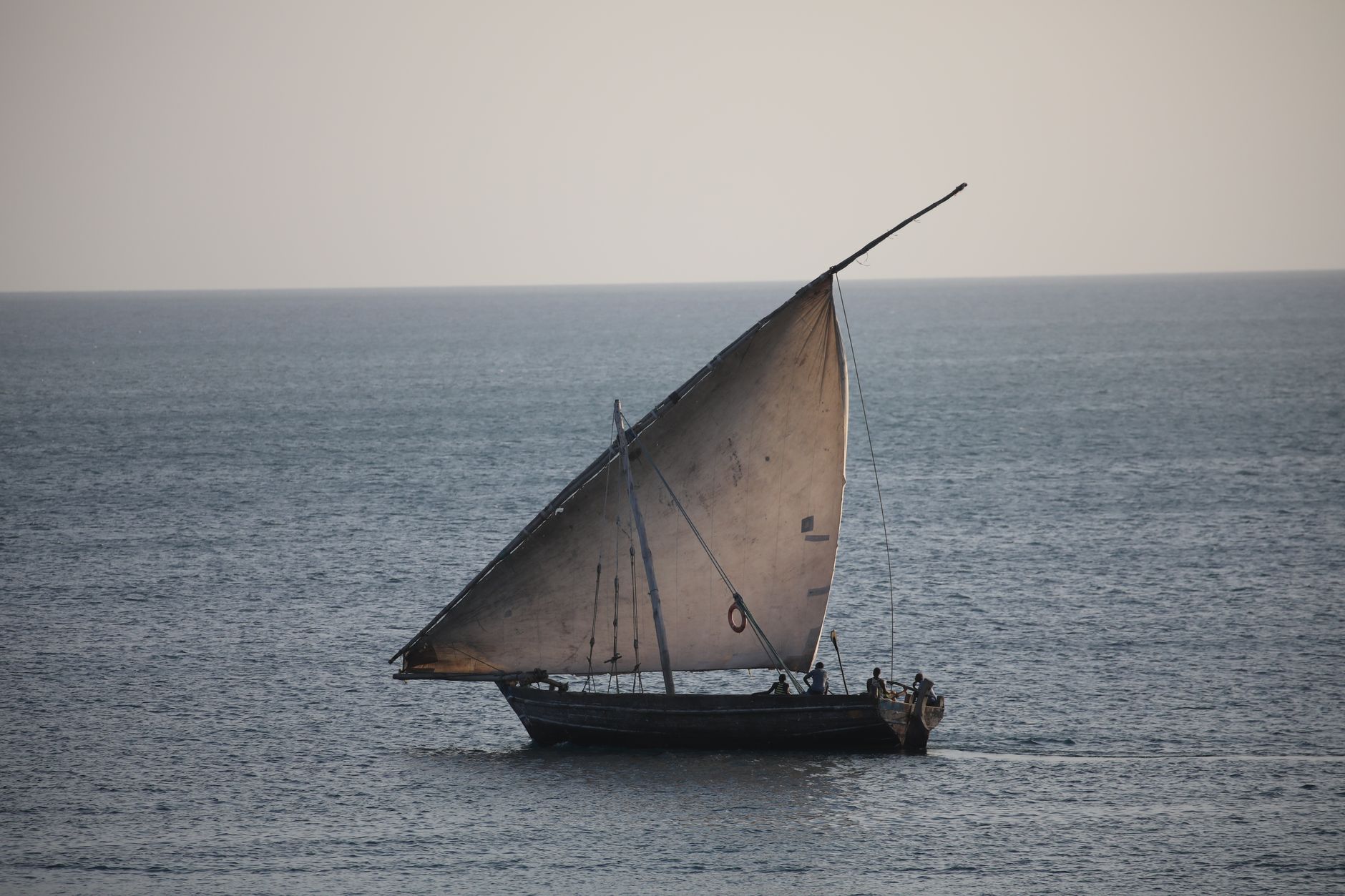
Further cultural immersion includes artisan workshops showcasing Swahili craftsmanship such as wood carving, traditional boat (dhow) building, and Tinga Tinga painting. These encounters provide travelers the chance to meet local artists and craftspeople, promoting respectful community interaction and supporting local economies. The cultural calendar on the coast is punctuated by vibrant festivals celebrating music, dance, and religious heritage, often open to visitors through carefully planned tour schedules, allowing guests to witness or participate in Swahili celebrations.
The Perfect Blend: Cultural Traditions Meet Coastal Relaxation
Traverse Afrika’s beach and cultural tours weave seamlessly the relaxation of pristine beaches with extensive culturally rich activities. Between moments on soft white sands and azure waters, travelers engage in thoughtfully curated experiences such as dhow sailing trips that include storytelling about maritime heritage, visits to fishing villages, and culinary encounters that highlight Swahili coastal flavors—infused with fresh seafood, coconut, and exotic spices.
The acclaimed Safari Blue boat excursion is often integrated into itineraries, combining snorkeling adventures with on-board beach barbecues and cultural narration that enrich the visitor’s appreciation of local marine ecosystems and coastal customs. This balance allows guests to unwind amid natural beauty while deepening their connection to the communities and histories that shape the region.
Responsible Travel: Respect, Sustainability, and Community Support
At the heart of Traverse Afrika’s philosophy is a commitment to sustainable and ethical tourism practices that protect cultural heritage and empower local communities. Travelers are guided on appropriate cultural etiquette to ensure respectful interactions, including language tips, acceptable photography practices, and guidance on participating in community events without intrusion.
The tours contribute directly to community development by partnering with local cooperatives, promoting fair trade in artisan crafts, and educating visitors on regional conservation initiatives. This approach not only safeguards the authenticity of Swahili coastal traditions but also offers travelers a meaningful way to give back, making their visit impactful beyond personal enrichment.
Customizable Tours for Romantic and Cultural Travelers
Couples and honeymooners seeking an unforgettable blend of luxury, intimacy, and cultural immersion find Traverse Afrika’s tailor-made packages ideal. Options include private Stone Town guided walks, exclusive spice farm visits, and romantic beach dinners infused with local culinary delicacies. Customization ensures each itinerary balances personal preferences, from adventurous cultural exploration to serene beach time, crafted to create lasting memories in a uniquely Swahili setting.
These personalized experiences often combine seamlessly with wildlife safaris in Tanzania’s famed parks, providing a full spectrum of East African adventure paired with coastal cultural depth. The result is a holistic journey that celebrates nature, tradition, and romance.
Conclusion: Embark on a Cultural Journey Along the Swahili Coast
For travelers craving more than a standard beach getaway, Traverse Afrika’s Zanzibar and Tanzanian coast tours offer an immersive gateway into the living, breathing traditions of the Swahili people. Through expertly guided heritage walks, spice tours, artisan encounters, and culturally informed beach adventures, visitors not only relax on some of Africa’s most beautiful shores but also gain profound insight into a remarkable cultural legacy. Anchored by principles of sustainability and respect, these tours invite you to explore a vibrant coastal world where every moment reveals history, community, and the warmth of East African hospitality.
