
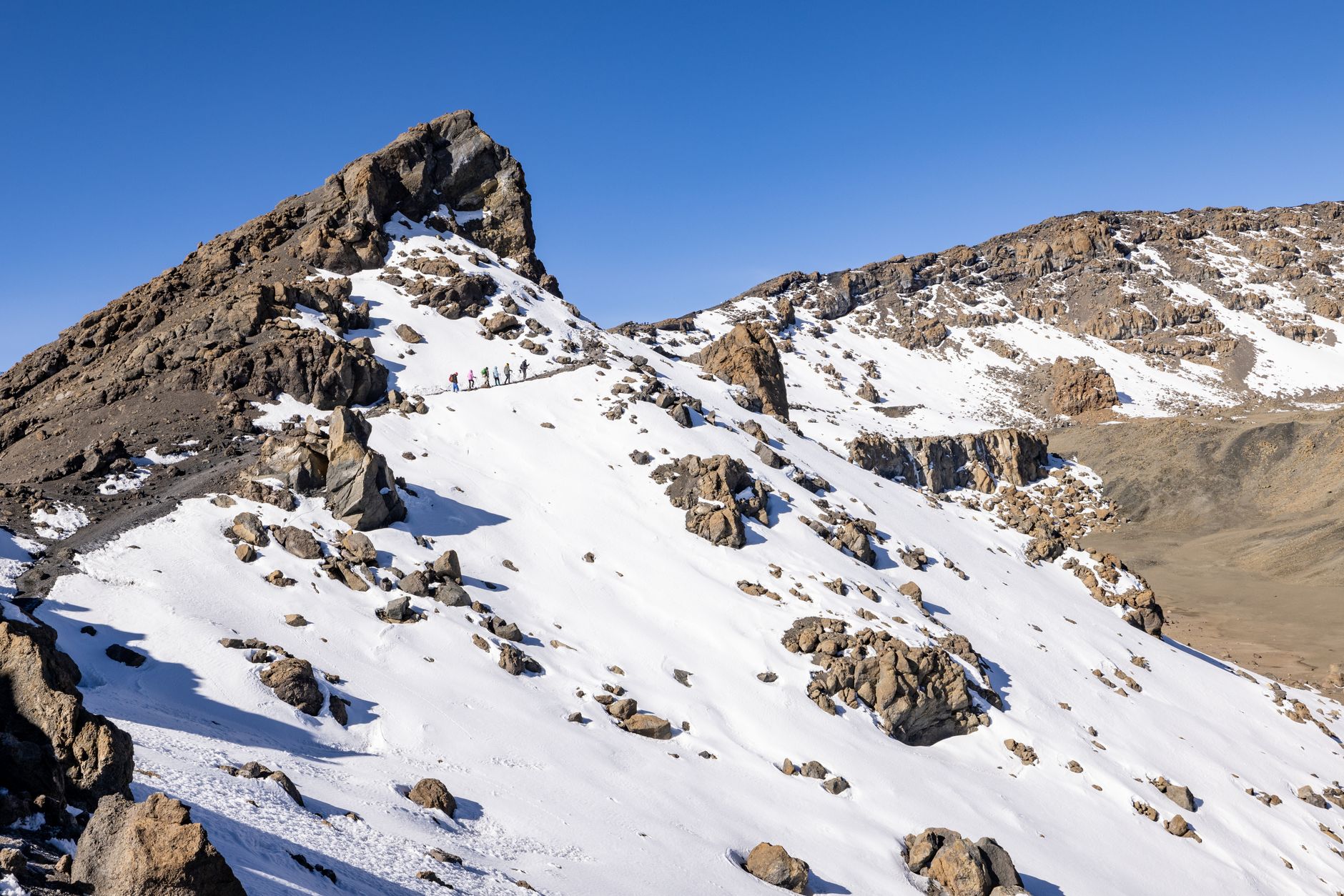
Embarking on a mountain climbing adventure in East Africa, whether scaling the summit of Kilimanjaro or exploring the rugged peaks of Mount Kenya, offers an unforgettable encounter with majestic landscapes and diverse ecosystems. However, the success of these journeys depends greatly on proper acclimatization and abiding by essential safety measures. Given the challenges posed by altitude, variable weather, and physical demands, expert guidance on preparation, health management, and logistics is critical to ensure a rewarding and safe experience on these iconic mountains.
Understanding Acclimatization: Why It Matters for Kilimanjaro and Mount Kenya Climbers
Acclimatization is the body’s natural adaptation to the reduced oxygen levels encountered as altitude increases. Both Mount Kilimanjaro and Mount Kenya ascend to elevations exceeding 5,000 meters, where the risk of altitude sickness can pose serious health hazards if proper acclimatization is not observed. Symptoms such as headaches, nausea, dizziness, and fatigue are common early warning signs. Without gradual adjustment, climbers face more severe conditions including High Altitude Pulmonary Edema (HAPE) or High Altitude Cerebral Edema (HACE), which can be life-threatening.
Traverse Afrika’s guided expeditions prioritize paced ascents allowing climbers to ascend slowly while resting adequately at camps situated at progressive elevations. This method increases the body’s red blood cell production, improving oxygen delivery and reducing illness risks. Selecting routes like Machame or Sirimon, known for their gradual uphill climbs and multiple acclimatization days, enhances success and comfort. Understanding and respecting your personal altitude response, with regular hydration and calorie intake, forms the cornerstone of a healthy climb.
Preparing Your Body: Fitness and Health Tips Tailored for East African Mountain Climbs
Physical preparation is crucial to meet the endurance demands of multi-day climbs on Kilimanjaro or Mount Kenya. Climbers benefit from a progressive fitness regimen that combines cardiovascular conditioning, strength training, and hiking practice on varied terrain. Focus on activities such as brisk walking, running, stair climbing, and weighted backpack hikes in the months leading to your departure. This builds stamina, muscular strength, and familiarizes you with carrying load—skills essential for long trekking days and uneven mountain paths.
Health-wise, consult with your physician about necessary vaccinations, including Yellow Fever and routine travel immunizations, especially if combining your climb with safaris in malaria-endemic East African regions. Malaria prophylaxis and insect repellent use remain key preventive measures. Nutritional readiness involves fueling your body with balanced macronutrients and practicing high-energy snacks during training hikes to replicate summit day nutrition. Traverse Afrika’s expert team also recommends a pre-trip health check to identify any chronic conditions that require monitoring throughout the climb.
Safety Protocols and Emergency Preparedness on Kilimanjaro and Mount Kenya
Safety on these high-altitude treks extends beyond acclimatization and fitness. Traverse Afrika’s guiding teams comprise certified mountain guides trained in wilderness first aid, evacuation procedures, and altitude illness recognition. All climbs include thorough safety briefings highlighting signs that warrant immediate descent or medical intervention. Communication systems such as satellite phones and radios are standard on our treks to ensure timely help if emergencies arise.
Emergency oxygen tanks and medication for altitude sickness are carried on most itineraries, reflecting our commitment to climber welfare. Weather conditions can change rapidly at high elevations, so climbers are equipped with real-time updates and advised on appropriate clothing layers for temperature regulation and protection from wind or precipitation. For added security, our treks maintain small group sizes and support staff ratios enabling attentive assistance and vigilance at every stage.
Essential Gear Recommendations Customized for Your Climbing Route and Season
Having the right gear significantly influences your comfort and safety on Kilimanjaro and Mount Kenya. Depending on the chosen route and time of year, the required equipment varies slightly but generally includes layered clothing for fluctuating temperatures, insulated jackets, waterproof outer shells, thermal base layers, hiking boots with ankle support, and trekking poles to reduce joint strain. High-quality sleeping bags rated for subzero temps are indispensable at upper camps.
Additional gear essentials include headlamps for night trekking, sun protection (sunglasses, sunscreen, hats), hydration systems such as camelbacks or water bottles, and a well-stocked first aid kit tailored for altitude-related ailments and minor injuries. Traverse Afrika provides detailed pre-trip gear checklists and can assist with renting specialized equipment if needed. Proper packing not only enhances functionality but helps manage luggage weight, influencing climbing ease and pace.
Integrating Your Mountain Climb with Wildlife Safaris and Cultural Experiences
East Africa offers much more than its famed peaks; the surrounding regions boast unparalleled wildlife diversity, vibrant cultures, and luxurious safari lodges. Combining your Kilimanjaro or Mount Kenya adventure with a safari in destinations like the Masai Mara, Ngorongoro Crater, or Amboseli National Park enriches your journey by providing contrast between towering alpine landscapes and the continent’s legendary savanna plains.
Traverse Afrika curates multi-day bespoke itineraries enabling seamless transitions from mountain treks to wildlife encounters or cultural immersions with Maasai communities and coastal heritage around Zanzibar. This holistic approach supports responsible tourism by spreading economic benefits across local communities while allowing you to absorb East Africa’s diverse natural and human heritage. Planning these extensions considers optimal pacing to respect recovery needs post-climb, enhancing overall travel satisfaction.
Conclusion: Embark Confidently with Expert Guidance and Responsible Practices
Preparing for a mountain climb on Mount Kilimanjaro or Mount Kenya demands thoughtful attention to acclimatization, physical fitness, equipment, and safety protocols. By embracing gradual altitude exposure, undergoing targeted training, and relying on Traverse Afrika’s experienced guides and comprehensive support, climbers position themselves for a successful, safe, and inspiring summit experience. Complementing your trek with curated safaris and cultural tours fosters a richer East African adventure while honoring sustainable tourism values.
As you plan your ascent, consider these expert tips integral to your journey. Our team stands ready to provide personalized advice, ensure seamless logistics, and connect you with responsible local partners who cherish these mountains as much as you will. With careful preparation and respect for the environment and your own physical limits, your climb will not only be a personal triumph but a meaningful part of a deeper exploration of East Africa’s extraordinary natural wonders.
