
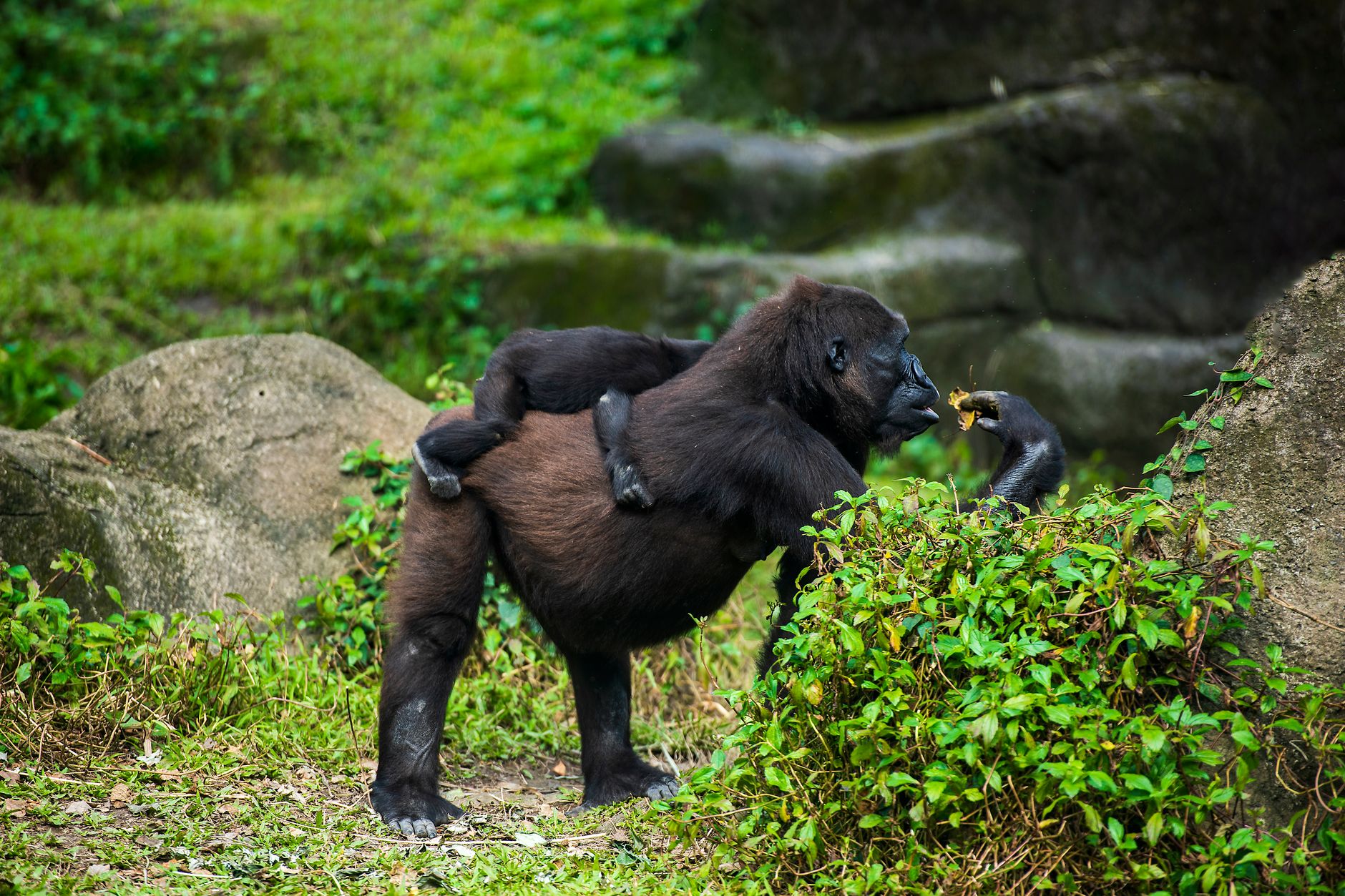
Embarking on a gorilla trekking safari in Uganda promises an unforgettable adventure filled with close encounters with one of the world’s most majestic and endangered species. Bwindi Impenetrable National Park, renowned for its dense forests and thriving mountain gorilla populations, offers a transformative experience for eco-conscious travelers seeking both adventure and a meaningful contribution to conservation. To make the most of this journey, it’s crucial to prepare thoroughly—not only physically and logistically but also ethically. This guide provides essential steps and practical advice to ensure a successful and responsible gorilla trekking experience with Traverse Afrika’s expert support.
Physical Preparation: What It Takes to Trek with Mountain Gorillas
Gorilla trekking in Bwindi involves navigating steep, often muddy terrain in dense rainforest conditions, with altitude ranges typically between 1,200 and 2,500 meters above sea level. While you do not need to be an elite athlete, a moderate to good level of fitness is important for a comfortable experience. Prospective trekkers should engage in cardiovascular exercises like hiking, swimming, or jogging several weeks before the trip to build endurance. Strength training, especially focusing on legs and core muscles, will help manage uphill and downhill walking, often lasting several hours. It’s advisable to practice walking with a loaded backpack to simulate carrying essential gear.
Health-wise, travelers should consult their doctors about recommended vaccinations, such as yellow fever, typhoid, and routine shots, and inquire about malaria prophylaxis tailored for Uganda. Detailed health advice and emergency protocols can be coordinated through Traverse Afrika’s pre-trip support to ensure preparedness.
Securing Gorilla Trekking Permits and Understanding Costs
One of the most critical steps before embarking on a gorilla trekking adventure in Uganda is obtaining a valid trekking permit, which grants you access to the protected mountain gorilla habitats. These permits are limited in number to reduce pressure on gorilla families and their environment, so early booking—often several months in advance—is essential, particularly during peak seasons.
Traverse Afrika facilitates the permit acquisition process, providing travelers with clear guidance on costs, currently set at a premium price reflecting the exclusivity and high conservation value of the experience. Permit fees contribute directly to the protection of the gorillas, park management, and local communities. Understanding these fees and their conservation impact supports eco-conscious travelers in valuing their role in responsible wildlife tourism.
Ethical Guidelines for Responsible Gorilla Trekking
Observing strict ethical guidelines during gorilla trekking helps minimize disturbance to these sensitive primates and their habitat. Visitors must maintain a minimum distance of seven meters (about 23 feet) from gorillas to reduce the risk of disease transmission. Silence and calm behavior are essential throughout the encounter, and touching or feeding gorillas is strictly prohibited.
Traverse Afrika emphasizes a “leave no trace” policy: trekkers should avoid leaving any litter, stay on designated trails as directed by guides, and follow all instructions regarding proximity and movement. Wearing masks may be required as a health precaution to protect gorillas from human illnesses. Supporting conservation-oriented tourism also means respecting local communities and their cultural practices, often integrated into travel itineraries for a holistic East African experience.
Recommended Gear and Packing Tips for Bwindi Gorilla Trekking
Proper gear is vital for comfort and safety while trekking in Uganda’s often damp and uneven rainforest. Trekking boots with good ankle support and grippy soles are a must to manage slippery slopes and muddy trails. Lightweight, quick-drying clothing layered appropriately for changing weather conditions helps maintain comfort. Long sleeves and trousers protect against insect bites and thorny vegetation.
Other practical items include a waterproof jacket, a wide-brimmed hat, trekking poles for added stability, a reusable water bottle, and insect repellent. Cameras with telephoto lenses are encouraged for wildlife photography, but silence and discretion are critical. Small daypacks should be sufficient to carry essentials without burden, and guides typically provide advice on what is permissible within park regulations. Traverse Afrika provides detailed packing lists to ensure visitors are fully prepared for all conditions.
Best Seasons and Logistics for an Optimal Gorilla Trekking Safari
The prime seasons for gorilla trekking in Uganda are during the dry months: June to September and December to February. These periods offer more stable weather and better trekking trail conditions, which enhance the overall experience and reduce physical strain. However, Bwindi’s rainforest location means occasional rain can occur year-round, so readiness for wet conditions is always prudent.
Logistically, travelers typically arrive via Entebbe International Airport, with domestic transfers arranged to reach Bwindi Impenetrable National Park. Experienced guides provided by Traverse Afrika not only navigate the complex permit and park regulations but enrich the trek with local knowledge, tracking skills, and cultural insights. Accommodation options range from eco-friendly lodges to luxury tented camps, emphasizing sustainability and comfort.
What to Expect During Your Gorilla Trekking Encounter
Gorilla trekking is an immersive, once-in-a-lifetime wildlife encounter that often lasts between two to six hours of hiking through lush rainforest terrain. Given the park’s diverse landscapes—from steep hills to thick undergrowth—trek duration and difficulty vary, but guides always tailor the experience to your fitness level and group dynamics. Upon locating the gorilla family, visitors spend up to one hour in silent observation, witnessing gorillas’ complex social behaviors and gentle interactions.
The emotional impact of meeting these close relatives of humans is profound for many trekkers, and Traverse Afrika’s guides help foster a reflective atmosphere that respects both the wildlife and the ecosystem. This encounter not only delights adventurers but supports vital conservation efforts ensuring the continued survival of mountain gorillas in Uganda.
Conclusion: Embarking on a Transformative Gorilla Trekking Journey
Preparing for gorilla trekking in Uganda requires thoughtful physical conditioning, careful logistical planning, and a heartfelt commitment to ethical and sustainable travel practices. By following these essential steps—from securing permits and choosing the right gear to respecting conservation guidelines—travelers can fully embrace the awe-inspiring experience of Bwindi Impenetrable National Park’s mountain gorillas. With Traverse Afrika’s dedicated expertise in tailored safaris, you gain access to responsible tourism that supports local communities and wildlife conservation, ensuring your journey leaves a positive legacy long after the trek concludes.
