
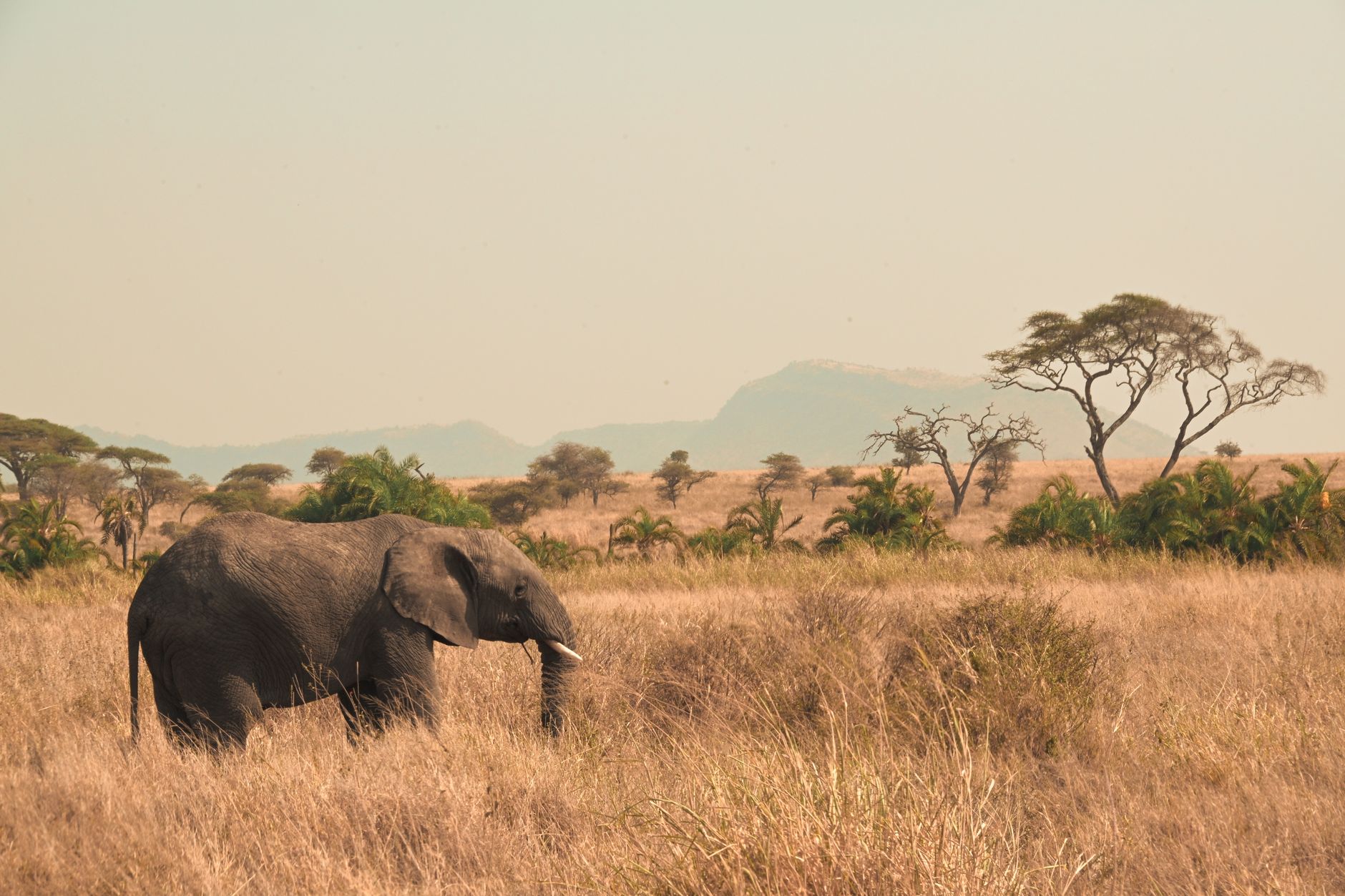
Traveling through East Africa’s remarkable landscapes—from the sweeping savannahs of the Masai Mara to the misty forests of Bwindi and the challenging slopes of Mount Kilimanjaro—offers unforgettable adventures. Yet, these incredible journeys come with unique health considerations, especially regarding malaria and other tropical diseases. At Traverse Afrika, the safety and well-being of our guests is paramount. This guide delivers essential insights into malaria risks and comprehensive health precautions tailored to our diverse safari, trekking, and cultural travel experiences across Kenya, Tanzania, Uganda, Rwanda, and Ethiopia.
Understanding Malaria Risks Across East African Destinations
Malaria remains a significant health concern in many East African regions where Traverse Afrika operates tours. The risk varies depending on altitude, climate, and season. For instance, malaria transmission is notably prevalent in lower altitude areas such as the Masai Mara, Serengeti, Lake Nakuru, and Bwindi Impenetrable National Park. Conversely, higher elevations like Mount Kilimanjaro’s upper trekking routes have a minimal risk due to cooler temperatures and altitude. Travelers on wildlife safaris, especially in Tanzania’s Ngorongoro Crater and Uganda’s Kibale National Park, should be aware of local transmission patterns as these areas have endemic malaria presence.
Recognizing these regional differences in risk allows travelers to prepare effectively and avoid unnecessary anxiety, while still embracing the rich biodiversity and cultural encounters that define Traverse Afrika’s packages.
Malaria Prevention: Medications and Vaccinations
Preventing malaria hinges on a combination of appropriate prophylactic medication, vaccination adherence, and personal protective measures. Traverse Afrika strongly recommends consulting a healthcare provider well in advance of your trip to discuss tailored malaria prophylaxis options such as Atovaquone-proguanil, Doxycycline, or Mefloquine. These medications vary in dosing schedules and side effects, so personalized medical advice is crucial.
In addition, travelers are required to have a Yellow Fever vaccination when visiting several East African countries, including Tanzania and Uganda, both to comply with entry regulations and to protect against this serious viral disease. Staying updated on WHO and CDC travel health advisories ensures you meet all vaccination requirements and reduces exposure risks.
Starting malaria medication at the recommended time—often several days before entering a malaria-risk zone—and continuing it for the advised period after return is vital for effective protection. Traverse Afrika’s expert guides provide detailed briefings and reminders tailored to each itinerary’s specific health protocols.
Integrating Health Precautions into Your Traverse Afrika Journey
Health safety should be an integral part of trip planning with Traverse Afrika. Beyond prophylaxis, we emphasize the importance of using effective insect repellents containing DEET or Picaridin, wearing long-sleeved clothing in the evenings, and sleeping under treated mosquito nets provided by our partner lodges and camps. These practices drastically reduce mosquito bites during game drives, primate trekking, and mountain camping.
Hydration and nutrition also play a critical role in maintaining health on safari and mountain treks. We advise bringing a well-stocked first aid kit including essentials for minor ailments such as digestive issues, allergic reactions, and altitude sickness symptoms on climbs like Kilimanjaro or Mount Kenya. Our tailored itineraries factor in rest days for acclimatization and recovery, highlighting how health safety enhances overall travel enjoyment.
Special Health Considerations for Mountain Climbers and Primate Trekkers
For those undertaking strenuous activities such as Kilimanjaro climbs or primate trekking in Uganda’s Bwindi and Kibale parks, health precautions extend beyond malaria prevention. Altitude sickness is a common challenge on mountain expeditions, requiring climbers to follow acclimatization schedules and stay attentive to symptoms like headaches, nausea, and fatigue. Traverse Afrika’s guides provide on-the-ground monitoring and emergency protocols to ensure climbers’ safety.
Primate trekking involves navigating dense forest environments where insect-borne diseases beyond malaria, such as West Nile virus, may also occur. Wearing protective clothing and following park health regulations contribute to minimizing infection risks. Our preparation briefings include up-to-date health advisories and emergency contacts to provide peace of mind in remote locations.
Choosing Accommodations and Travel Insurance for Optimal Health Safety
Traverse Afrika partners with carefully selected lodges, tented camps, and mountain refuges that adhere to high health and hygiene standards, including mosquito-proofing measures and availability of medical support. We recommend travelers select accommodations that balance comfort with health safety, especially in malaria-endemic zones.
Additionally, securing comprehensive travel insurance that covers tropical diseases, emergency medical evacuation, and trip interruptions is an indispensable part of responsible travel planning. Our team can assist travelers in understanding insurance requirements aligned with their itineraries and destinations.
Achieving Peace of Mind for Your East African Adventure
Ultimately, understanding and proactively managing malaria risks and other health precautions enables you to fully embrace East Africa’s extraordinary safari landscapes, wildlife encounters, and cultural experiences with confidence. Traverse Afrika’s health guidance integrates seamlessly with our expert-led, luxury travel services—ensuring your journey is not only inspiring but also safe and well-supported.
Before departure, consult with your healthcare provider, follow prescribed preventive measures, and take advantage of Traverse Afrika’s insider knowledge and local support. This approach not only safeguards your well-being but also enriches your appreciation of East Africa’s vibrant natural and cultural heritage. For more detailed health and safety travel tips, including packing checklists and destination-specific advice, please explore our comprehensive Traveler Practical Guides.
