
Lake Manyara National Park offers a captivating safari experience within Tanzania’s renowned Northern Circuit, famed for its diverse ecosystems, spectacular wildlife, and exceptional birdwatching opportunities. Nestled between the Great Rift Valley escarpment and a shimmering soda lake, this park provides a refreshing complement to the grandeur of neighboring Serengeti and Ngorongoro Crater. For wildlife enthusiasts, photographers, and eco-conscious travelers alike, exploring Lake Manyara promises intimate encounters with unique species and immersive natural beauty, all underpinned by sustainable safari practices that respect the environment and local communities.
Understanding the Diverse Ecosystem and Wildlife of Lake Manyara
Lake Manyara National Park spans varied habitats including dense groundwater forests, sprawling acacia woodlands, open grasslands, and the expansive alkaline lake itself. This rich mosaic supports a wealth of wildlife, making it a dynamic destination ideal for seeing a concentration of species within a compact area. A highlight for many visitors is the park’s famous tree-climbing lions, a rare behavioral trait that sets Lake Manyara apart from other Tanzanian parks. Additionally, the park shelters large populations of hippos basking in the lake’s inlets and prides of elephants that traverse its verdant corridors.
Beyond charismatic megafauna, Lake Manyara is home to baboons, impalas, and a variety of antelopes, creating myriad opportunities for diverse wildlife sightings. Guided game drives organized by Traverse Afrika incorporate expert tracking techniques, enabling travelers to witness these animals in natural, undisturbed settings. The park’s relatively small size compared to Serengeti facilitates longer wildlife viewing sessions without the extensive drives, catering well to families and those seeking a gentle introduction to East African safaris.
Birdwatching Highlights: Spotting Lake Manyara’s Avian Treasures
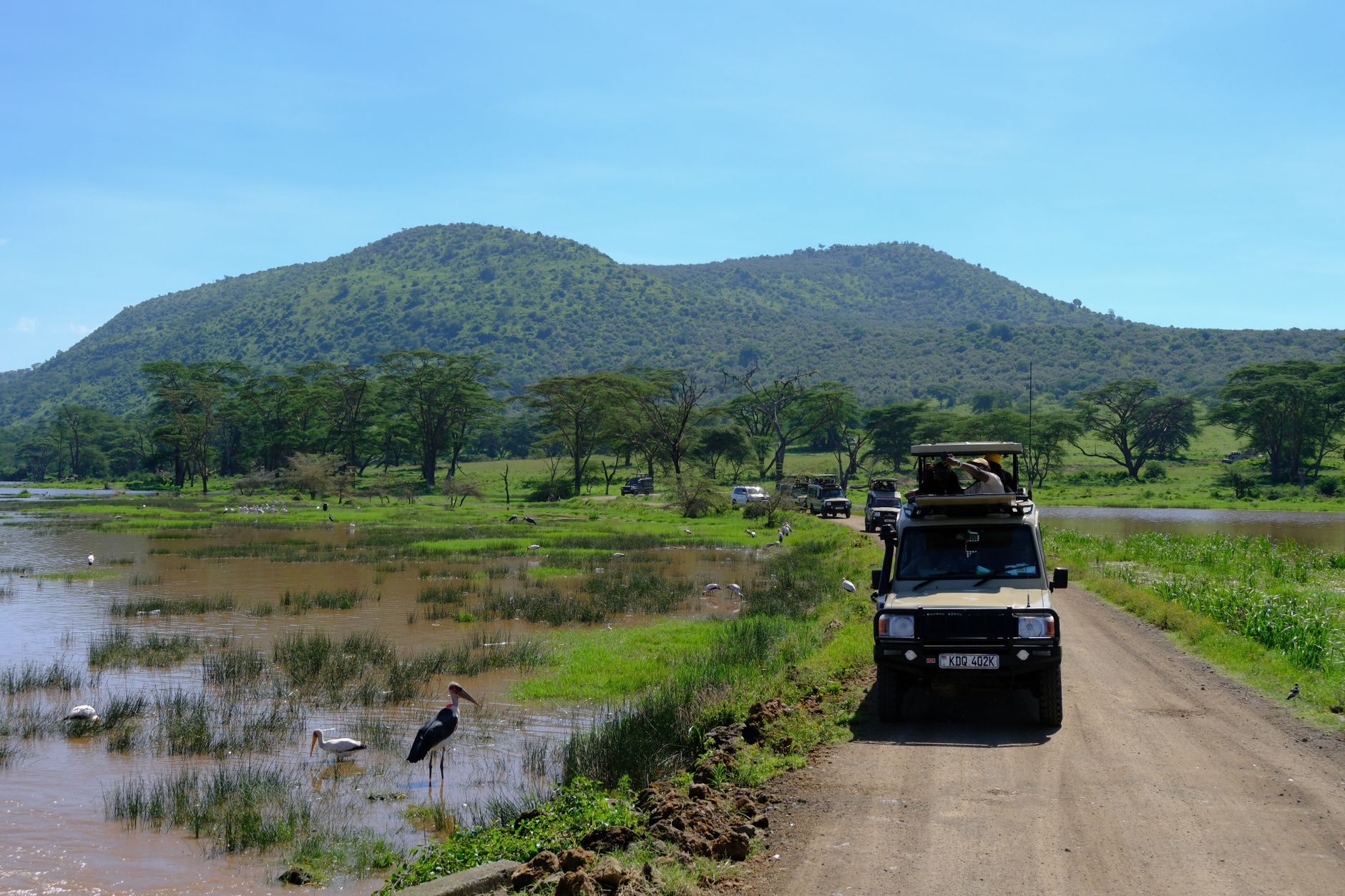
Renowned as one of Tanzania’s premier birdwatching destinations, Lake Manyara National Park boasts over 400 bird species, encompassing both resident and migratory populations. The soda lake forms breeding grounds for thousands of flamingos, painting the shoreline in vibrant pink hues during peak seasons. Birders are also drawn to the park’s endemic species such as the grey-breasted pigeon and the exquisite singing bush lark, along with rarer sightings of Pel’s fishing owl and the African finfoot perched near waterways.
Traverse Afrika offers specialized birdwatching safaris that tailor itineraries around seasonal migrations and nesting periods, with expert local guides skilled at identifying calls and plumage. Early morning game drives combined with boat excursions on the lake enhance opportunities to observe waterbirds and raptors in action. For enthusiasts, comparative insights into similar habitats like Lake Nakuru deepen appreciation of the regional bird diversity, enriching the overall ornithological experience.
Seasonal Considerations and Best Times to Visit Lake Manyara
Timing a visit to Lake Manyara impacts wildlife visibility and overall safari quality. The park experiences two key seasons: the dry season from June to October, which concentrates animals around shrinking water sources, and the wet season from November to May, when lush growth attracts newborns and migratory birds arrive to breed. Traverse Afrika recommends the dry months for optimal game viewing, especially for spotting predators and herbivores congregating near the lake.
Conversely, the wet season offers exceptional opportunities for bird photography and witnessing vibrant landscapes but requires flexible scheduling due to occasional impassable roads. Multi-day itineraries along the Northern Circuit incorporate Lake Manyara within this seasonal context, allowing travelers to maximize experiences by visiting Ngorongoro Crater and Serengeti during migration windows. Thoughtful planning with the guidance of Traverse Afrika’s local experts ensures a rewarding and comfortable safari tailored to individual seasonal preferences.
Eco-Friendly Accommodation and Sustainable Safari Planning
Lake Manyara’s lodges and camps reflect a growing emphasis on sustainability balancing luxury and environmental stewardship. Visitors can choose from eco-friendly accommodations that integrate solar power, waste management, and community engagement initiatives. Traverse Afrika curates options ranging from intimate tented camps set within the forest canopy to lodge properties that offer panoramic views of the lake, prioritizing those aligned with conservation ethics.
Sustainable safari planning involves minimizing ecological footprints and supporting local livelihoods. Traverse Afrika collaborates with local Maasai communities around Lake Manyara to foster cultural exchanges and ethical tourism benefits. Such initiatives reinforce the protection of wildlife corridors and enhance visitor understanding of the park’s socio-environmental context. Travelers are encouraged to adhere to practices such as responsible wildlife viewing distances, waste reduction, and supporting local artisans, all integrated naturally within the safari itinerary.
Integrating Lake Manyara within Northern Circuit Multi-Day Safari Itineraries
Lake Manyara serves as a perfect gateway or companion park for exploring Tanzania’s Northern Circuit, renowned for its unparalleled safari diversity. Multi-day tours crafted by Traverse Afrika effortlessly blend wildlife viewing at Lake Manyara with adventures in Ngorongoro Crater and Serengeti National Park, offering a balanced mixture of habitats, species, and cultural experiences. This sequencing allows for varied game drives, crater hikes, and visits to Maasai villages, creating a layered narrative of East Africa’s natural and human heritage.
The park’s proximity to Arusha facilitates convenient transfers and flexible itinerary pacing suited to both first-time visitors and seasoned safari travelers. Detailed logistical support ensures smooth park access, permit arrangements, and transfer coordination. Photographers benefit from distinct lighting and animal behavior patterns unique to each park, enhancing storytelling and imagery opportunities. Ultimately, incorporating Lake Manyara provides an enriching balance of intimacy, diversity, and sustainable travel within a comprehensive Tanzanian safari adventure.
Conclusion
Exploring Lake Manyara National Park unlocks a uniquely intimate safari experience featuring extraordinary wildlife spectacles, world-class birdwatching, and deeply sustainable tourism practices. As part of Tanzania’s famed Northern Circuit, it complements larger parks with its compact, diverse habitats and distinctive species such as tree-climbing lions and vast flamingo flocks. With expert guidance from Traverse Afrika, travelers can confidently plan immersive multi-day safaris that harmonize luxury with eco-consciousness while navigating seasonal nuances and accommodation choices tailored to Lake Manyara’s setting. Ultimately, this remarkable destination invites visitors to connect authentically with East Africa’s wild beauty and cultural richness on a responsible and unforgettable journey.
