
Witnessing East Africa’s iconic wildlife migration is a dream come true for many safari enthusiasts. The annual movement of millions of wildebeest, zebras, and other herbivores shapes the rhythm of the savannahs, creating spectacular opportunities for intimate wildlife encounters. Planning your 2024 safari around these seasonal patterns can elevate your experience, ensuring you witness the migration’s most dramatic moments while supporting sustainable and ethical tourism. This guide offers a detailed month-by-month wildlife migration calendar and best viewing times for the Masai Mara, Serengeti, Bwindi, and other key parks, tailored to help you align your travels with nature’s grand spectacle.
Understanding the Seasonal Migration Patterns Across East Africa’s Iconic Parks
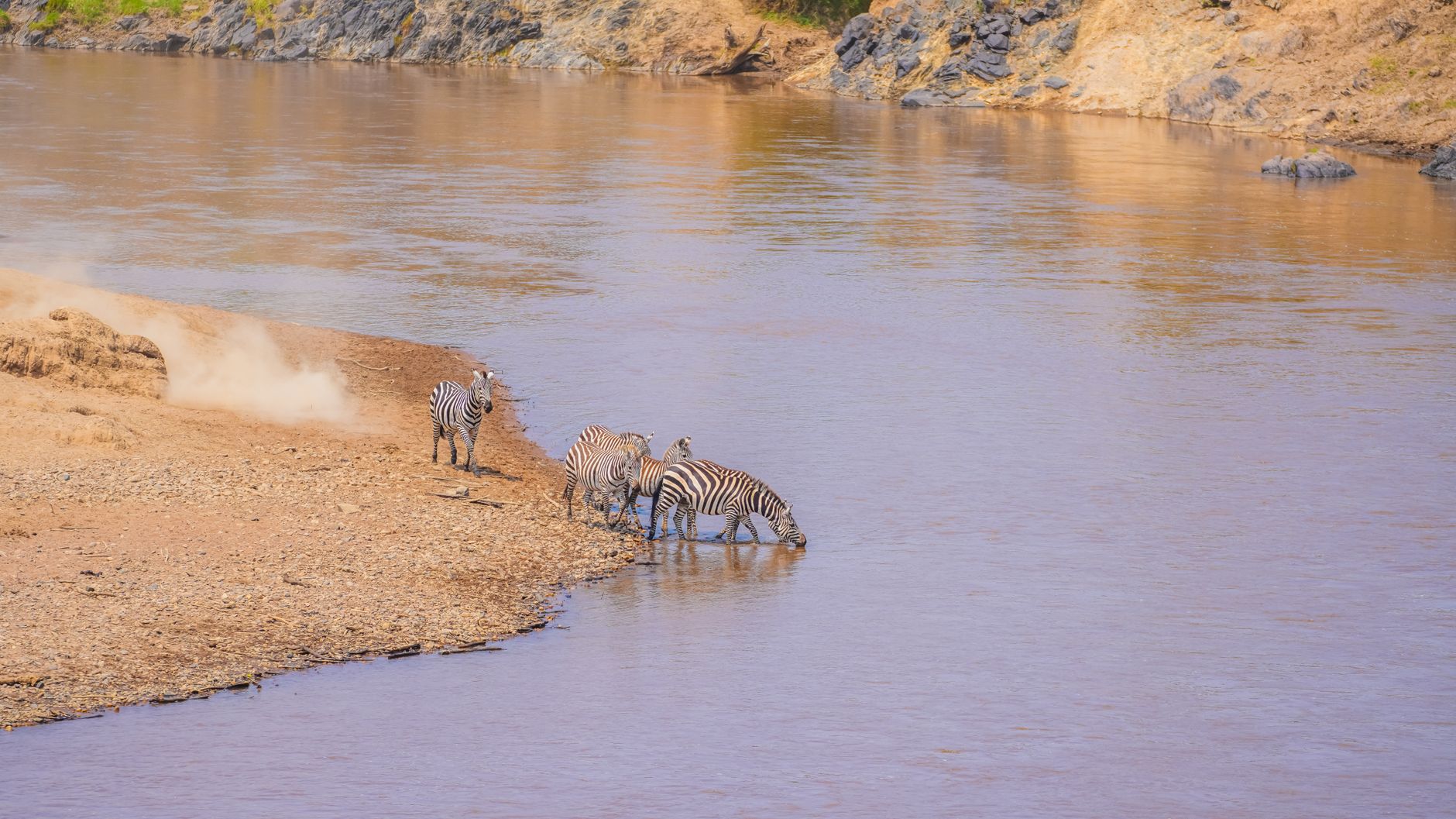
The Great Migration, a continuous journey between the Serengeti in Tanzania and the Masai Mara in Kenya, unfolds following the rains and availability of fresh grazing. Typically, from January to March, the herds are scattered across southern Serengeti’s calving grounds, attracting predators and offering close-up wildlife viewing. By mid-year, these vast herds gradually move northwest towards the western corridor and eventually cross into Kenya’s Masai Mara around July through October, presenting classic river crossing scenes. Meanwhile, wildlife viewing in parks like Ngorongoro Crater, Lake Nakuru, and Lake Manyara complements migration-focused ventures with year-round resident species and specialized birdwatching opportunities.
In contrast, Uganda’s Bwindi Impenetrable and Kibale National Parks offer a different rhythm tied to primate trekking seasons rather than the great herbivore movements. Here, the focus is on gorilla tracking and chimpanzee encounters, which peak in drier months from June to September and again December to February, aligning with optimal trekking conditions and animal activity. Queen Elizabeth National Park integrates both primate sighting and traditional safari experiences, playing an essential role in multi-destination itineraries within East Africa.
Optimal Safari Timing by Park: Peak Months and Wildlife Highlights
Masai Mara National Reserve
The Masai Mara’s most celebrated period is the July to October window when the herds cross the Mara River, risking predator attacks—a breathtaking spectacle that draws global wildlife photographers and enthusiasts. Early July welcomes the initial crossings, intensifying in August and September with wildlife drama peaking as crocodiles and big cats capitalize on the congregation. Off-peak months like November and December showcase calving season with predator activity, while January to June sees fewer large herds but fantastic resident predator and birding displays with fewer tourists.
Serengeti National Park and Ngorongoro Crater, Tanzania
From November through March, the southern Serengeti hosts vast numbers of newborn wildebeest, providing an intimate view of nature’s cycle. This calving season heightens predator-prey interactions and offers excellent photographic opportunities in more accessible terrain. The Ngorongoro Crater, a permanent water and grazing refuge, remains wildlife-rich all year and complements Serengeti safaris impeccably. Between April and June, the herds gradually move northwards through the central Serengeti to the western corridor, though rains can affect accessibility, calling for expert logistical advice when planning visits around this transitional period.
Lake Nakuru and Lake Manyara National Parks
Famed for their birdlife, Lake Nakuru and Manyara present exceptional early morning and late-afternoon game drives year-round. Peak bird migration occurs from October to April, when thousands of flamingos and migratory waterbirds congregate, forming vibrant spectacles against alkaline lake backdrops. These parks provide distinct safari experiences making them ideal offseason alternatives or appealing add-ons for mixed itineraries focusing on East African wildlife diversity.
Uganda’s Bwindi, Kibale, and Queen Elizabeth National Parks
Uganda’s lush forests and national parks are renowned for primate trekking, with Bwindi Impenetrable National Park especially coveted for mountain gorilla encounters. The best trekking months generally span June to September and December to February, when trails are driest and gorilla sightings frequent. Kibale is a hotspot for chimpanzee tracking, with year-round possibilities but peak activity mirroring Bwindi’s dry season. Queen Elizabeth National Park offers a hybrid experience featuring savannah game drives and primate sightings, comfortably accessible throughout much of the year though with a slight activity dip during heavy rains.
Navigating Climate, Ethical Viewing, and Avoiding Crowds
East Africa’s equatorial climate involves bi-modal rains influencing wildlife movements and access conditions. The long rains (March to May) bring lush landscapes but may render some roads impassable and dilute wildlife concentrations, while short rains (November to December) also correspond with breeding seasons but can pose transport challenges. Early booking of lodge accommodations and safaris during migration peaks is essential to avoid crowds and secure best guides. Engaging with Traverse Afrika’s locally expert guides ensures adherence to responsible wildlife viewing protocols, fostering conservation and community support while enhancing your immersive safari experience.
Integrating Migration Insights into Tailored Traverse Afrika Safari Packages
Traverse Afrika offers customizable safari packages designed around these seasonal insights, from immersive Masai Mara migration safaris and Serengeti Northern Circuit adventures to primate trekking excursions in Uganda. Multi-day itineraries can be crafted to coincide with migration peaks or primate trekking optimal periods, paired with expert-led game drives and eco-conscious lodge stays. For example, a July to September itinerary might combine Masai Mara’s river crossings with Lake Nakuru’s birdwatching flourish, or blend primate trekking in Bwindi with cultural encounters. Additionally, ethical wildlife viewing guidance embedded in these packages ensures that guests participate in conservation-friendly tourism supporting local communities and fragile ecosystems.
Conclusion: Craft Your 2024 East African Safari with Confidence
Planning your 2024 East African safari around detailed, park-specific migration and wildlife viewing calendars unlocks unparalleled encounters with nature’s most captivating spectacles. From the dramatic Mara River crossings to intimate gorilla trekking in Uganda’s rainforests, knowing the best months and locations amplifies your adventure while fostering sustainable travel practices. Partnering with Traverse Afrika ensures expert guidance, personalized itineraries, and responsible tourism values harmonize perfectly, making your journey as seamless and unforgettable as the wildlife moments you’ll witness. Whether you seek the grandeur of the Great Migration or the elusive primates of Bwindi, this calendar is your essential tool for optimal safari timing and memory-making wildlife immersions.
