

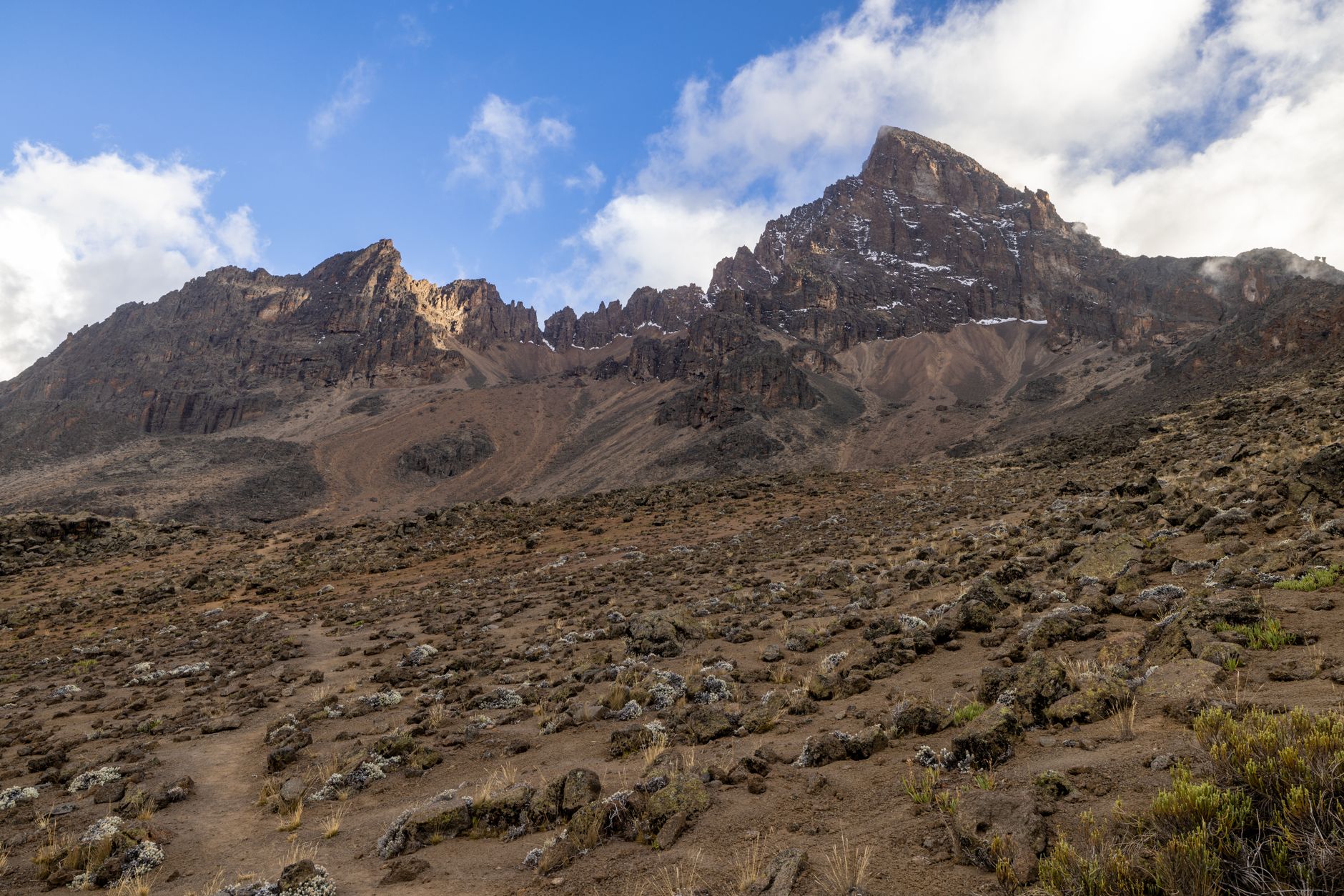
Mount Kenya rises majestically in the heart of East Africa, not only as the continent’s second-highest peak but also as a vibrant symbol of natural wonder and spiritual heritage. For centuries, this mountain has been revered by the local communities, particularly the Kikuyu tribe, who regard it as a sacred abode of their ancestors and divine spirits. Beyond its cultural significance, Mount Kenya supports a mosaic of ecosystems ranging from lush montane forests to stark alpine moorlands, each sheltering distinct flora and fauna. This rich interplay of cultural reverence and ecological diversity makes trekking Mount Kenya a deeply immersive and transformative experience, especially when undertaken with a thoughtful guide like Traverse Afrika, committed to sustainable tourism and authentic local connections.
The Sacred Heritage of Mount Kenya: Cultural Ties and Spiritual Significance
Mount Kenya is far more than an iconic physical landmark; it stands at the center of profound spiritual narratives for the Kikuyu people and other communities inhabiting its foothills. Traditionally known as “Kirinyaga” in Kikuyu, the mountain is considered the legendary home of Ngai, their supreme deity. Sacred sites dot the mountain’s lower slopes, including ritual shrines, sacrificial grounds, and ancient caves, where generations have performed ceremonies to invoke blessings, rain, and harvest prosperity. These locales are often intertwined with oral histories and myths that articulate the community’s cosmology and respect for nature’s balance. Understanding these traditions enriches the trekking journey, transforming it from a mere physical challenge to an encounter with living cultural heritage.
Diverse Ecosystems Along Mount Kenya’s Routes
Mount Kenya’s towering presence creates unique climatic gradients that nurture a spectrum of ecosystems, each displaying remarkable biodiversity. At the mountain’s base, dense forests harbor tree species like cedar and camphor, alongside endemic animals such as elephants, monkeys, and a variety of birdlife, including the elusive batis and turaco. As trekkers ascend along iconic Traverse Afrika routes like Sirimon and Chogoria, the environment shifts into bamboo and heath zones, home to specialized plants adapted to cooler, misty conditions. Near the summit, the landscape opens into alpine moorlands decorated with giant lobelias and senecios, resilient species thriving in extreme conditions. This ecological diversity makes Mount Kenya a natural laboratory and a photographer’s paradise, offering vivid contrasts within a single trek.
Integrating Cultural Heritage into the Trekking Experience
Traverse Afrika’s approach to Mount Kenya trekking is deeply rooted in respect for both the mountain’s ecological wealth and its cultural landscapes. Guides are more than navigators; they are storytellers and cultural ambassadors who share knowledge about sacred sites, tribal customs, and local conservation efforts. Trekkers receive insights into Kikuyu rituals and are encouraged to observe customs with humility and care, such as refraining from leaving litter or disturbing ritual spaces. This approach fosters a meaningful connection between travelers and host communities, promoting not only awareness but active participation in sustaining the mountain’s intangible heritage. It enhances the adventure with thoughtful mindfulness, ensuring each step honors the mountain’s legacy.
The Role of Local Communities and Conservation Initiatives
The preservation of Mount Kenya’s sacred sites and fragile ecosystems depends heavily on local stewardship and collaborative conservation efforts. Communities living in the mountain’s shadow actively participate in sustainable tourism initiatives facilitated by Traverse Afrika, balancing livelihood opportunities with ecological protection. Ranger programs, reforestation projects, and cultural education campaigns work hand-in-hand to safeguard biodiversity and sacred traditions. The revenue generated from guided treks supports these efforts directly, making tourism a vital force for conservation. Visitors become part of this ongoing narrative, their journeys contributing to both environmental resilience and the continuation of age-old cultural practices.
Practical Tips for Responsible and Rewarding Mount Kenya Treks
To fully embrace Mount Kenya’s cultural and ecological dimensions, trekkers should prepare with sustainability and sensitivity in mind. Choosing Traverse Afrika’s carefully curated packages ensures access to eco-friendly accommodations, knowledgeable local guides, and routes that minimize environmental impact. Visitors are advised to respect cultural protocols, stay on designated trails to protect fragile habitats, and carry reusable water bottles and eco-friendly gear to reduce waste. Awareness of altitude acclimatization and physical readiness is essential for an enjoyable journey through the mountain’s challenging terrain. Combining practical planning with respectful conduct allows travelers not only to witness Mount Kenya’s sacred heritage but to become conscientious ambassadors for its future.
Immerse Yourself in Mount Kenya’s Wonders with Traverse Afrika
By choosing Traverse Afrika for your Mount Kenya adventure, you are embarking on a journey that intertwines breathtaking alpine scenery, rich cultural narratives, and sustainable practices. Their expert guides and thoughtfully designed itineraries bring forth the mountain’s story in a way that honors its sacred status and protects its natural sanctity. Whether you opt for the scenic Sirimon route or the dramatic Chogoria trail, each step reveals layers of ancient tradition and ecological marvels. Discover how responsible trekking can deepen your travel experience while supporting local communities and conservation outcomes. Explore Traverse Afrika’s Mount Kenya climbing packages to begin a transformative adventure rooted in respect, discovery, and stewardship of East Africa’s treasured landscapes.
