
East Africa’s rich birdlife captivates nature enthusiasts and wildlife photographers alike, offering some of the most extraordinary birdwatching opportunities on the continent. Among the region’s prime destinations, Kenya’s Lake Nakuru National Park and Tanzania’s Lake Manyara National Park stand out as vibrant ecosystems hosting remarkable avian diversity. These parks present distinct landscapes and seasonal patterns that influence which species can be observed, making a comparative look at their birdwatching highlights essential for travelers seeking tailored safari adventures.
Distinctive Bird Species in Lake Nakuru and Lake Manyara
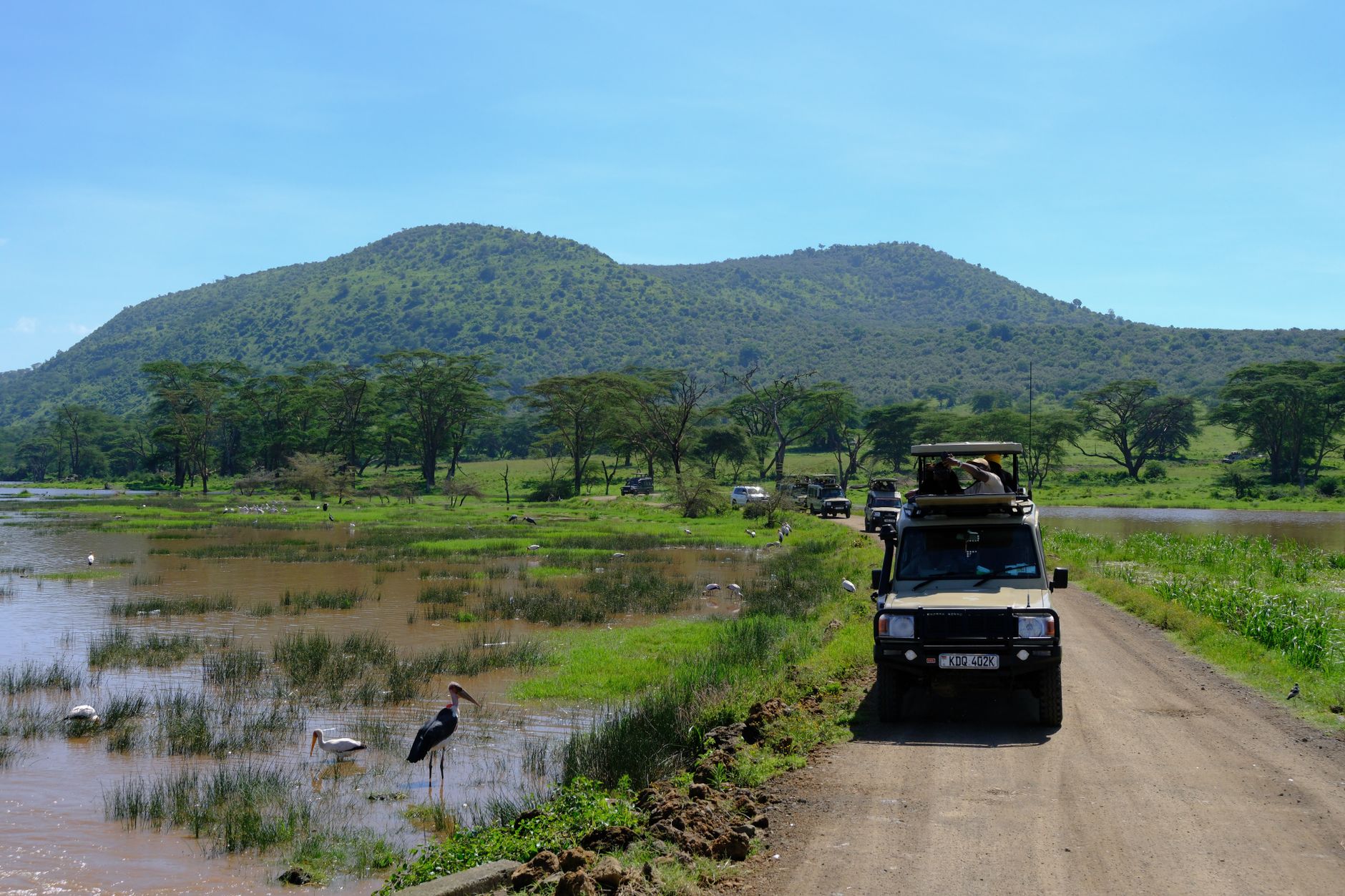
Lake Nakuru and Lake Manyara each boast unique bird populations shaped by their differing habitats. Lake Nakuru, a shallow soda lake in Kenya’s Rift Valley, is world-renowned for its spectacular pink flamingo displays. These striking birds gather in their thousands, creating a breathtaking spectacle and symbolizing the park’s iconic status for birdwatchers. Beyond flamingos, the park sustains large populations of pelicans, cormorants, and African fish eagles, while woodland fringes shelter species such as the grey-headed kingfisher and various barbets.
Conversely, Lake Manyara National Park, seated at the base of the Great Rift Valley in Tanzania, is celebrated for its incredible diversity of woodland and forest-dwelling birds. The park’s lush acacia and fig tree habitats provide refuge to over 400 recorded bird species, including colorful turacos, silvery-cheeked hornbills, and the rare wattled starling. Manyara’s flamingo populations, though present, are less dense than Nakuru’s but still add to the vibrant bird tapestry, accompanied by the presence of fish eagles, weavers, and numerous migratory species.
Best Seasons for Birdwatching and Safari Planning
Maximizing birdwatching potential at either destination depends on understanding seasonal patterns and migration cycles. Lake Nakuru’s flamingo population peaks during the wetter months, generally between March and May, and again from October to December, when water levels and food availability support large congregations. This period also coincides with breeding seasons for several resident species, enhancing viewing variety. The dry months from June to September often see lower flamingo numbers but offer superb sightings of raptors and terrestrial species.
Lake Manyara’s birdlife thrives throughout the year, yet the best time for birdwatching is typically during the dry season from late June to October. During these months, birds become more visible as water sources contract and vegetation thins. The presence of migratory bird species heightens from October through April, bringing additional diversity for avid birders and photographers. Time your visit during these windows to capture vivid plumage and active bird behavior, ideal for wildlife photography.
Customizing Your Birdwatching Safari Experience with Traverse Afrika
Traverse Afrika specializes in crafting birdwatching safaris that align with your interests and seasonal considerations. Whether focusing on the flamingo spectacle at Lake Nakuru or exploring the rich woodland species at Lake Manyara, tailored itineraries ensure optimal timing and expert guiding. Our services include doorstep transfers, expert bird identification support, and access to prime birding hotspots within each park. Accommodations near both parks range from luxury lodges offering breathtaking views to comfortable eco-friendly campsites, enhancing convenience and sustainability.
Additionally, photographic travelers benefit from early morning and late afternoon game drives scheduled for ideal lighting conditions, while guides provide insights into bird behavior and habitats that heighten your connection to the landscape. By integrating local cultural knowledge and conservation awareness, Traverse Afrika enriches every safari with meaningful and responsible interactions.
Sustainable Birdwatching and Community Engagement
Both Lake Nakuru and Lake Manyara are critical conservation areas supporting not only birds but also the livelihoods of local communities. Sustainable tourism practices promoted by Traverse Afrika include minimizing environmental disturbance, supporting community-driven conservation projects, and encouraging visits that respect local traditions. Birdwatching safaris can contribute positively by funding park protection initiatives and fostering awareness among visitors about regional ecological challenges.
Engaging with Maasai communities near Lake Manyara or local conservation groups around Lake Nakuru offers an enriching cultural dimension to birdwatching tours. These interactions remind travelers that sustainable tourism is vital for preserving these exceptional habitats and their avian inhabitants for future generations.
Practical Tips for Visiting Lake Nakuru and Lake Manyara
When planning your birdwatching safari, consider the accessibility and logistical differences between the two parks. Lake Nakuru lies approximately 160 kilometers from Nairobi, making it an accessible day trip or part of a multi-park itinerary in Kenya. Accommodation options include lakeside lodges with panoramic views of the flamingo-rich waters, and the park’s well-maintained roads facilitate comfortable game drives.
Lake Manyara, though smaller, offers a distinctive Rift Valley environment with forest and lake habitats easily explored via guided tours. Located within the Northern Tanzania safari circuit, Manyara pairs well with visits to the Serengeti or Ngorongoro Crater, offering layered wildlife experiences. Lodging ranges from tented campsites to boutique lodges that focus on sustainability and immersive wildlife experiences.
Conclusion: Choosing Your Ideal Birdwatching Safari
For birdwatchers and nature photographers, understanding the contrasts between Lake Nakuru and Lake Manyara enhances your safari planning and enriches your wildlife encounters. Lake Nakuru’s unparalleled flamingo gatherings and Rift Valley vistas make it a must-visit for spectacle and diverse water birds. Lake Manyara’s abundant woodland species and forest birds offer a complementary experience for those seeking variety beyond the lakeshore.
Travelers who select their visit according to the best seasons, and who leverage the expert services of companies like Traverse Afrika, enjoy a more rewarding, sustainable, and culturally informed safari. Whether drawn to the shimmering pinks of Nakuru or the lush green canopy of Manyara, your East African birdwatching adventure promises unforgettable sights, sounds, and stories.
