

East Africa offers an irresistible blend of thrilling wildlife safaris, exhilarating mountain climbs, intimate gorilla trekking encounters, and idyllic beach escapes. To truly savour these diverse adventures, timing your visit according to the region’s distinct seasonal patterns is essential. From the sweeping plains of the Masai Mara to the misty peaks of Kilimanjaro, and from the jungle trails of Uganda to the turquoise shores of Zanzibar, aligning your journey with optimal weather and wildlife activity enhances both safety and the richness of experience.
Timing Your Safari for Unmatched Wildlife Spectacles
The best time for safari enthusiasts to explore East Africa’s premier wildlife reserves centers around the region’s dry seasons, when animals congregate near water sources, making sightings especially rewarding. In Kenya’s Masai Mara and Tanzania’s Serengeti, the Great Migration—the vast movement of wildebeest, zebras, and gazelles—is a breathtaking spectacle that peaks between July and October. These months are prime for tracking predator-prey interactions and witnessing river crossings, a highlight of any safari itinerary.
Meanwhile, Amboseli National Park offers some of the clearest views of Mount Kilimanjaro during the dry spells from June to October and January to February, coupled with excellent elephant sightings against this iconic backdrop. For eco-conscious travelers, visiting outside of the heavy tourist months helps reduce environmental impact and supports sustainable tourism, ensuring wildlife habitats remain protected.
Mountaineering Adventures: Best Months for Climbs and Treks
East Africa’s mountains demand respect, preparation, and strategic timing. For climbing Mount Kilimanjaro, the dry seasons—January to mid-March and June to October—are ideal. These months offer the clearest weather and most stable trail conditions essential for safe acclimatization on routes such as Machame or Lemosho. Similarly, Mount Kenya, Mount Meru, Mount Rwenzori, and Mount Elgon are best tackled during these windows, allowing adventurers to experience the dramatic alpine scenery without the complications of heavy rainfall or slippery ascents.
Mountaineers should plan with sufficient lead time for acclimatization and consult expert guides familiar with seasonal variations and route nuances. Health and safety are paramount, and scheduling climbs within these optimal periods boosts chances of success while minimizing risks such as altitude sickness and landslides.
Gorilla and Chimpanzee Trekking: Unlocking Uganda’s Rainforest Mysteries
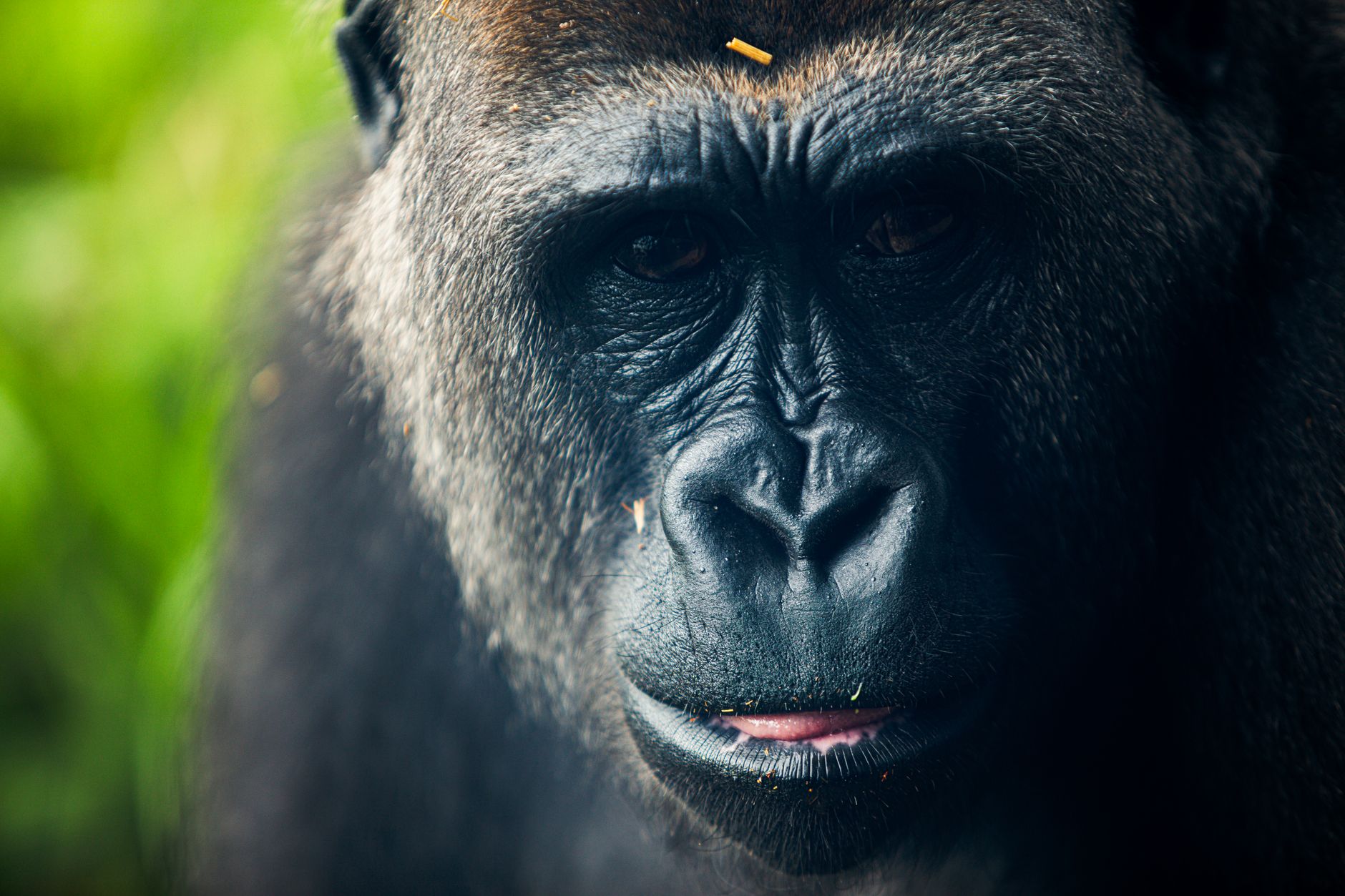
Uganda’s Bwindi Impenetrable and Kibale National Parks are sanctuary to some of the world’s most sought-after primate treks. The best times to experience up-close encounters with gorillas and chimpanzees coincide with the country’s drier months—December to February and June to September—when trails are less muddy and trekking conditions are gentler. Although gorilla trekking is possible year-round, the wetter seasons can make the jungle paths physically challenging and limit visibility.
Beyond timing, securing permits in advance and adhering to strict park guidelines helps preserve these fragile ecosystems and promotes conservation efforts crucial to the region’s primate populations. Encountering these majestic creatures is not only a profound wildlife experience but also an opportunity to support community-led conservation projects that Traverse Afrika passionately endorses.
Zanzibar Beaches: When to Bask in Tropical Bliss
Zanzibar’s stunning beaches and vibrant cultural experiences are best enjoyed during the island’s dry seasons from June to October and December to February. These months offer warm, sunny days, calm seas, and gentle breezes—perfect for swimming, snorkeling, and exploring the rich Swahili heritage in Stone Town or coastal villages. The island also hosts cultural festivals during this time, enriching visitor experiences with music, food, and local traditions.
Travelers seeking romantic hideaways or honeymoon escapes will find Zanzibar’s quieter shoulder months appealing, balancing exquisite natural beauty with tranquil privacy. Combining beach downtime with inland adventures such as spice tours or snorkeling expeditions creates a perfectly rounded East African itinerary.
Conclusion: Planning a Seamless Multi-Adventure East African Journey
Optimizing your travel dates to align with East Africa’s distinct seasonal rhythms elevates every facet of your adventure. By choosing dry season months, you enhance wildlife visibility on safari, secure safer and more pleasurable mountaineering conditions, enjoy accessible and rewarding gorilla trekking, and revel in the sun-soaked beaches of Zanzibar. Thoughtful planning not only deepens your connection with East Africa’s natural wonders and cultures but also promotes sustainable travel practices that safeguard the region’s spectacular landscapes and wildlife for future generations.
Traverse Afrika’s expert guidance and tailored packages ensure your multi-experience trip balances excitement, safety, and cultural respect seamlessly. Whether chasing the Great Migration, summiting Kilimanjaro, trekking with mountain gorillas, or lounging on a pristine beach, the right timing transforms your journey into an unforgettable, life-enriching adventure.
