

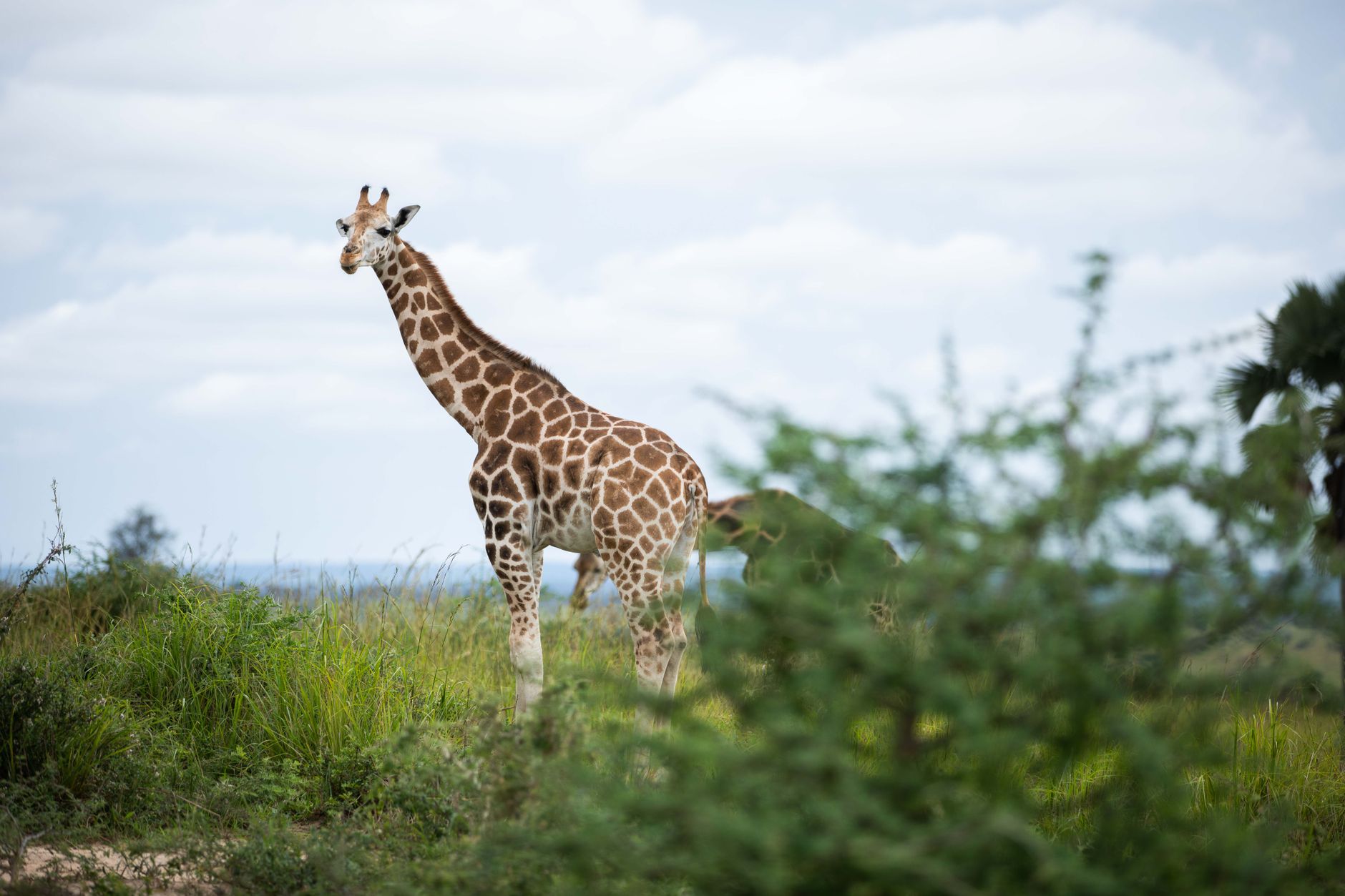
East Africa offers an unparalleled natural spectacle that draws travelers worldwide, eager to witness its rich wildlife and vibrant cultures. Yet, increasingly, visitors are seeking experiences that honor the environment and uplift local communities. Traverse Afrika specializes in eco-friendly safaris designed to meet this demand, blending authentic East African adventures with responsible and sustainable travel practices. In this guide, discover how you can explore the majestic landscapes and wildlife of Kenya, Tanzania, Uganda, Rwanda, and Ethiopia while minimizing your ecological footprint and contributing positively to conservation and local livelihoods.
What Defines an Eco-Friendly Safari in East Africa?
Eco-friendly safaris go beyond standard wildlife tours by prioritizing environmental stewardship, cultural sensitivity, and social responsibility. At Traverse Afrika, an eco-friendly safari means carefully curated experiences where every element—from accommodation to activities—is designed to reduce negative impacts on nature and communities. This includes partnering with lodges and camps that are eco-certified or adhere to principles such as energy efficiency, waste reduction, water conservation, and habitat protection. Moreover, such safaris emphasize respectful wildlife viewing practices that avoid disturbing animals and their habitats, ensuring the longevity of East Africa’s unique biodiversity.
For travelers, understanding these features empowers more conscious choices. An eco-friendly safari by Traverse Afrika ensures that your adventure supports sustainable wildlife tourism that safeguards parks like the Masai Mara, Serengeti, Ngorongoro Crater, and Bwindi Impenetrable Forest, while promoting cultural exchange rooted in respect and collaboration with local communities.
Traverse Afrika’s Partnerships with Sustainable Lodges and Camps
Central to an eco-friendly safari is the accommodation, and Traverse Afrika carefully selects eco-conscious lodges and tented camps across East Africa’s most iconic safari destinations. Many partner lodges implement solar power systems, water recycling programs, and use locally sourced materials for construction, reducing carbon footprints and integrating harmoniously with the surrounding environment. For example, eco-lodges in the Masai Mara and Ngorongoro Crater not only minimize ecological disturbance but also serve as platforms to educate guests about conservation initiatives and local wildlife.
These lodges often engage in community projects and employ local staff, ensuring economic benefits ripple beyond tourism operators to grassroots levels. Whether nestled within Tanzania’s Serengeti plains or Uganda’s pristine Bwindi forest, these green accommodations offer guests luxury and comfort with a clear conscience, aligning with the growing demand for sustainable yet memorable safari experiences.
Supporting Community Conservation and Cultural Empowerment
Eco-friendly travel with Traverse Afrika also means contributing to community-based conservation efforts that protect endangered species and support indigenous groups. Many tours include visits to Maasai or Samburu villages, where travelers gain insight into traditional lifestyles while helping preserve cultural heritage through sustainable livelihood programs.
Moreover, a portion of tour proceeds supports anti-poaching patrols, habitat restoration, and conservation education led by local organizations. For instance, primate trekking safaris in Uganda’s Bwindi Impenetrable National Park extend benefits to Batwa communities, helping fund healthcare and education. These meaningful engagements transform tourism into a symbiotic relationship where visitors not only witness wildlife wonders such as mountain gorillas and chimpanzees but actively participate in preserving these ecosystems and cultures.
Responsible Wildlife Viewing and Low-Impact Safari Practices
Traverse Afrika emphasizes the importance of responsible wildlife viewing to protect animals and their habitats during safaris. Guides trained in ethical conduct ensure that vehicles keep a safe distance, avoid disrupting breeding or feeding behaviors, and limit noise pollution. Visitors are encouraged to respect park rules, refrain from littering, and follow instructions that prioritize animal welfare.
In addition, low-impact transport options such as fuel-efficient 4×4 vehicles reduce environmental degradation during game drives. Some itineraries incorporate walking safaris and cultural visits on foot, further decreasing carbon emissions and offering intimate experiences of the landscape. Combined with waste management protocols and water-saving measures throughout the trip, these practices demonstrate Traverse Afrika’s commitment to sustainability in every detail.
Practical Tips for Travelers Committed to Eco-Friendly Safaris
Travelers interested in sustainable safaris should consider several key factors to maximize positive impact. When booking, ask about the eco-certifications and conservation partnerships of lodges and tour operators. Pack biodegradable toiletries and reusable water bottles to reduce single-use plastics. Practice “leave no trace” principles by carrying out all waste and avoiding disturbance to wildlife or cultural sites.
Engage actively with guides and community hosts to understand the challenges and successes of local conservation. Supporting local artisans and businesses during cultural tours helps sustain livelihoods beyond the safari season. By adopting these behaviors, travelers align their curiosity for East African wildlife and culture with a mindful approach that preserves these treasures for future generations.
Conclusion: Meaningful Safari Adventures that Protect East Africa’s Heritage
Traverse Afrika’s eco-friendly safaris offer a unique opportunity to experience East Africa’s extraordinary wildlife, landscapes, and cultures through a lens of sustainability and respect. By choosing carefully vetted sustainable lodges, supporting community conservation initiatives, and practicing responsible wildlife viewing, travelers ensure their journeys deliver lasting benefits well beyond the trip itself. Whether exploring the Masai Mara’s abundant plains, tracking mountain gorillas in Uganda, or immersing in rich tribal traditions, these curated safaris are designed to protect the environment and empower local people. For eco-conscious adventurers, booking with Traverse Afrika transforms a wildlife dream into an ethical and enriching reality.
