

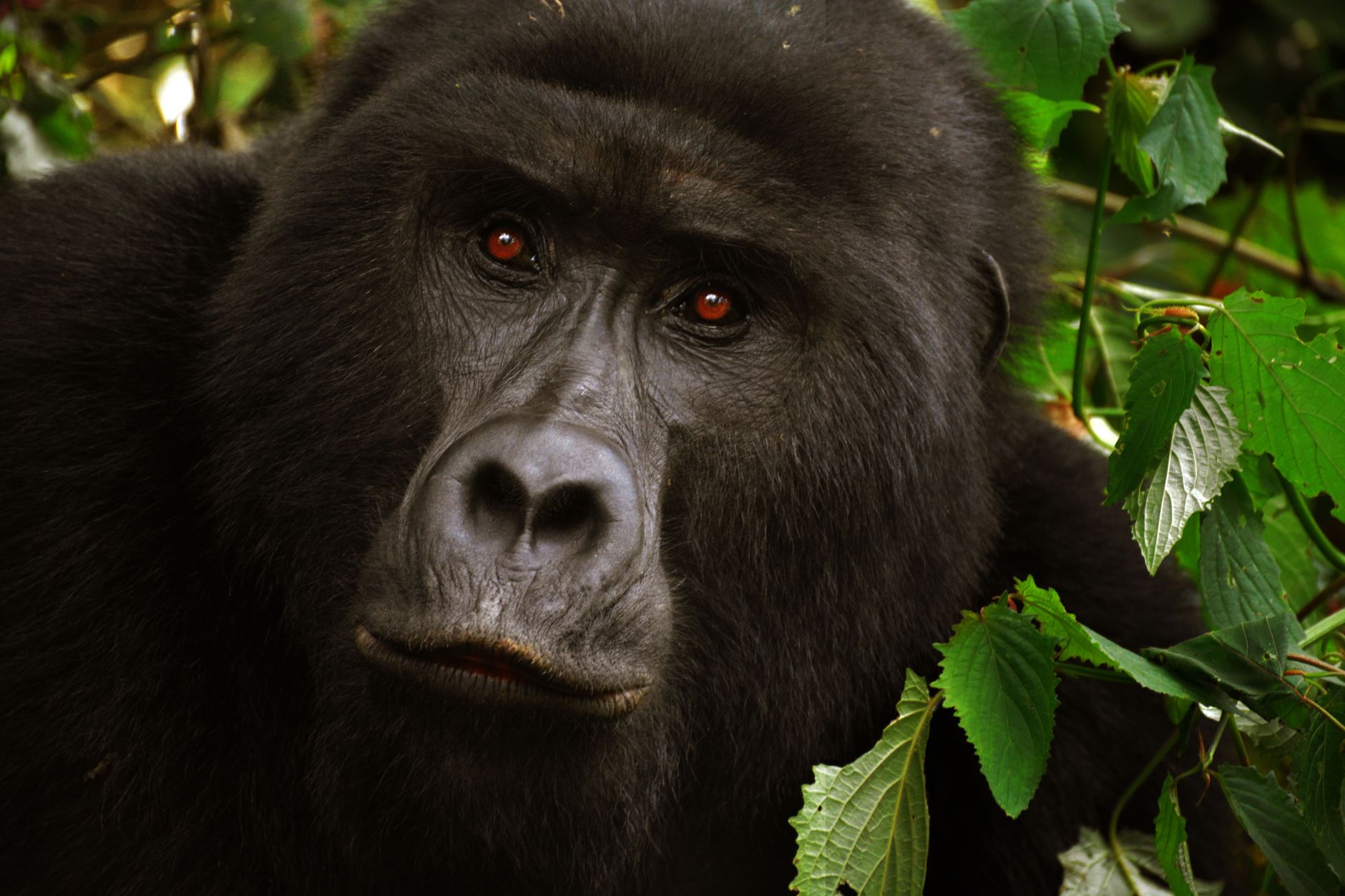
Embarking on a primate trekking safari in Uganda or Rwanda offers a once-in-a-lifetime opportunity to witness mountain gorillas and chimpanzees thriving in their natural habitats. To truly honor this rare encounter, mastering the art of ethical primate photography is essential—balancing the desire to capture stunning wildlife images with respect for animal welfare and conservation principles. Whether you are an experienced wildlife photographer or an enthusiastic traveler keen to document your journey responsibly, this guide provides expert insights and practical tips for ethical primate and gorilla photography during East African trekking adventures.
Understanding Primate Behavior and Best Viewing Practices
Successful primate photography begins with a solid understanding of the species and their natural behavior. Mountain gorillas in Uganda’s Bwindi Impenetrable and Rwanda’s Volcanoes National Parks are known for their gentle and social nature, whereas chimpanzees of Kibale and Queen Elizabeth National Parks exhibit more dynamic and arboreal behaviors. To minimize stress and disturbance, it’s crucial to observe from authorized distances mandated by park authorities—typically around 7 meters for gorillas and chimpanzees.
Early mornings during the dry seasons, generally June to September and December to February, are ideal times for trekking and photography as lighting conditions are softer and primates are more active foraging. Patience is key; spending time quietly observing these intelligent animals allows photographers to anticipate natural interactions, gestures, and expressions lending authenticity and depth to images without artificial triggers.
Essential Ethical Guidelines for Primate Photography
Ethical observation goes hand in hand with exceptional photography when trekking East Africa’s primates. Parks strictly regulate visitor numbers and encounter durations, commonly limiting individual visits to just one hour and groups to no more than eight people. Using flash photography is prohibited, as sudden bursts can distress primates and disrupt their natural behavior patterns.
Stay alert to your guide’s instructions at all times, avoid loud noises, sudden movements, and direct eye contact with the animals, which can be perceived as threatening. Always position yourself with consideration, maintaining stable footing on uneven trails and avoiding intrusion into the primates’ personal spaces. Ethical primate photography supports conservation efforts by showing respect for wildlife, promoting sustainable tourism, and deterring intrusive photo practices that could lead to habitat degradation or animal habituation.
Technical Photography Tips for Capturing Primate Encounters
East African forests present unique challenges for photographers, such as dense foliage, variable lighting, and shy subjects. Opt for mid to long telephoto lenses ranging from 200mm to 400mm, allowing framing without disturbing the animals. Aperture priority mode with wider apertures (f/2.8–f/5.6) helps isolate subjects with soft backgrounds and compensates for lower light under canopy cover.
Fast shutter speeds (minimum 1/250s) are recommended to freeze occasional swift chimpanzee movements, while ISO settings must balance light sensitivity and image noise—modern cameras perform well up to ISO 1600 or beyond, depending on conditions. Continuous autofocus with tracking and burst shooting modes maximize the chances of capturing fleeting behaviors like grooming, feeding, or juvenile play.
Logistical and Preparatory Advice for Trekking and Photography Success
Securing permits well in advance is critical due to high demand for gorilla trekking permits in Bwindi and Volcanoes National Parks. Guided tours provided by Traverse Afrika pair visitors with experienced local trackers and wildlife photographers who enhance safety and photographic opportunities by anticipating primate movements and advising ideal vantage points.
Physical fitness plays a vital role since trekking often involves steep slopes, muddy trails, and varying altitudes. Carrying lightweight, weather-appropriate photography equipment in protective cases ensures mobility and camera safety. Additionally, packing essentials such as biodegradable insect repellent, a rain cover, and a microfiber cloth for lens cleaning will help maintain equipment performance throughout the trek.
Conservation Impact and Community Benefits of Ethical Primate Tourism
Primate trekking safaris directly support conservation initiatives managed by the Uganda Wildlife Authority (UWA) and Rwanda Development Board (RDB), generating essential revenue for anti-poaching patrols and habitat preservation programs. Choosing expert-led, ethical tours through operators like Traverse Afrika ensures that tourism dollars flow to local communities, helping improve livelihoods and instilling a shared commitment to primate protection.
Visitors engaged in responsible photography and observation contribute to raising global awareness of these extraordinary species, inspiring ongoing support for conservation and sustainable tourism development. By documenting primates respectfully, travelers help capture the essence of East Africa’s rich biodiversity, fostering deeper appreciation and responsible stewardship among future wildlife enthusiasts.
Conclusion: Capturing Memories with Respect and Expertise
Mastering ethical primate and gorilla photography on Uganda and Rwanda trekking safaris combines deep respect for wildlife with skillful technical execution. By understanding primate behavior, adhering to park regulations, and preparing thoroughly, visitors can create compelling images that tell meaningful conservation stories. Partnering with knowledgeable local guides and expert-led tours such as those offered by Traverse Afrika guarantees not only exceptional photography opportunities but also a positive impact on wildlife preservation and community wellbeing. Ready to turn your East African primate encounter into an unforgettable, responsible photographic journey? Thoughtful preparation and ethical practice are your most powerful tools in capturing the spirit of these remarkable creatures.
