

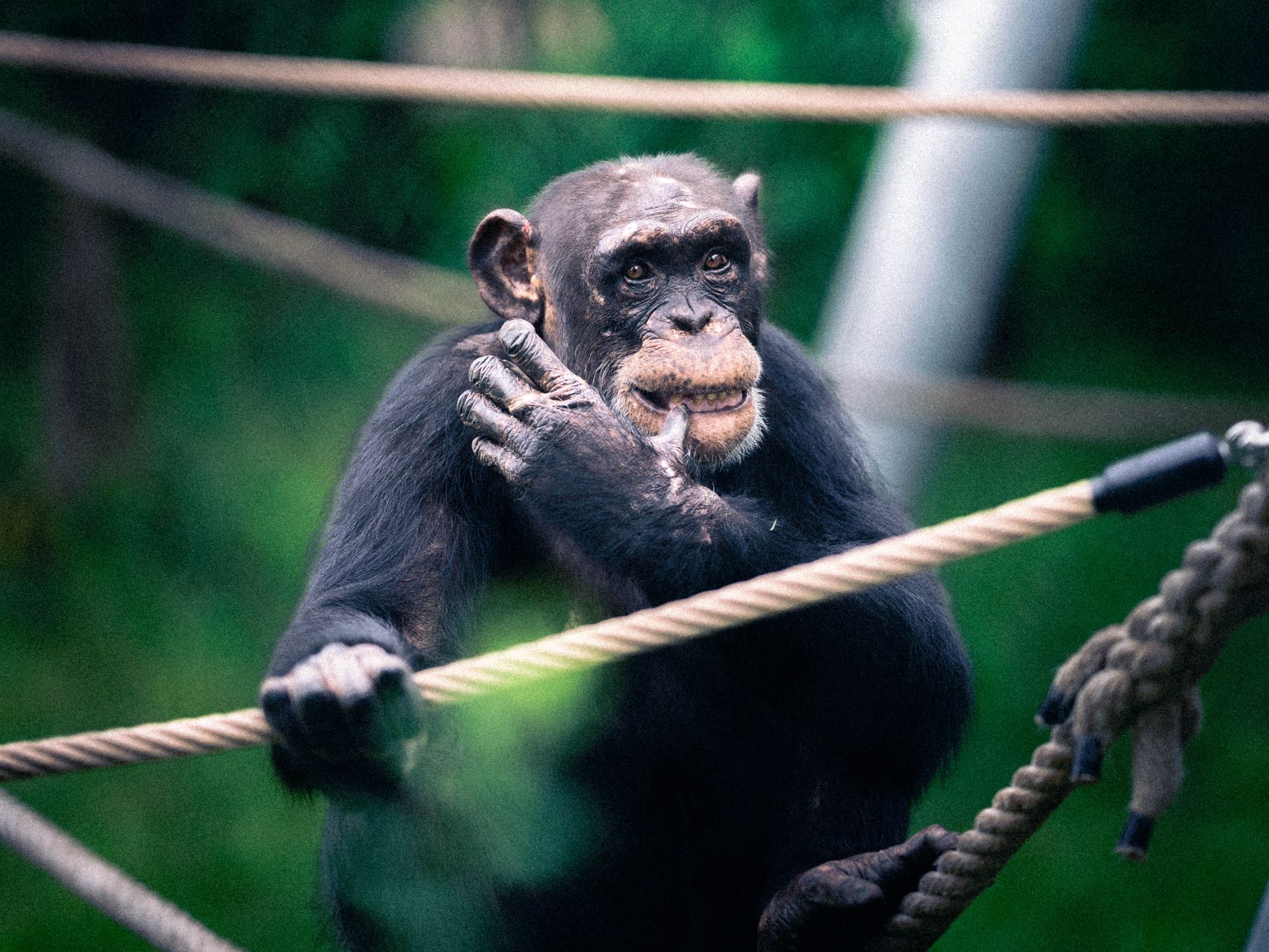
Embarking on a chimpanzee trekking adventure in Uganda’s Kibale National Park offers an unparalleled opportunity to witness one of East Africa’s most intelligent and captivating primates in their natural habitat. This experience not only combines thrilling wildlife encounters with the serene beauty of dense tropical forest but also invites travelers to engage meaningfully with ongoing conservation efforts. For eco-conscious adventurers and primate enthusiasts alike, ethical trekking practices are fundamental to safeguarding this rare species and enriching the travel experience. This guide unfolds the essential steps, ethical considerations, and conservation insights necessary to plan a successful and responsible chimpanzee trek in Kibale.
Understanding Kibale National Park and Chimpanzee Trekking Logistics
Kibale National Park is renowned for harboring one of the largest populations of chimpanzees in East Africa, making it a premier destination for primate trekking tours. Situated in western Uganda, the park’s lush equatorial rainforest ecosystem supports more than just chimpanzees—it is a biodiversity hotspot rich with over 13 primate species and countless birds. To participate in chimpanzee trekking, visitors must secure official permits issued by the Uganda Wildlife Authority. These permits regulate the number of trekkers per day, ensuring minimal disturbance to the wildlife and forest habitat.
The best time to visit Kibale for chimpanzee trekking is during the dry seasons from June to September and December to February, when trails are more accessible and animal sightings tend to be higher. Treks typically require a moderate level of fitness, as they involve navigating uneven forest paths and occasional steep ascents. Guided groups are small—usually no more than six persons per guide—to promote an intimate and low-impact encounter. Traverse Afrika offers expertly organized tours that handle all permit arrangements, park access protocols, and provide highly knowledgeable local guides who enrich your trekking experience with their keen understanding of chimpanzee behaviors and forest ecology.
The Ethical Approach to Chimpanzee Trekking in Kibale
Ethical trekking practices are crucial not only for the welfare of the chimpanzees but also for maintaining the integrity and longevity of wildlife tourism in Kibale. Visitors must adhere to strict guidelines that limit physical contact and enforce a safe viewing distance, typically at least seven meters from the chimpanzees. Sound discipline within trekking parties ensures minimal stress to the animals, allowing them to behave naturally without human interference. Photography is welcomed but should be non-intrusive, avoiding flash and sudden movements.
Beyond rules on interaction, the approach to trekking prioritizes minimizing environmental impact. Trails are maintained with care, and walking mats are often used to protect the forest floor. Visitors are briefed thoroughly before treks to understand how to respect local wildlife, including how to react around chimpanzees. Ethical trekking also involves supporting local community initiatives linked to Kibale tourism, which facilitates livelihood opportunities through employment and inclusive conservation programs. Trekking responsibly means aligning your adventure with tangible benefits for conservation and local people, a commitment strongly embraced by Traverse Afrika’s bespoke tours.
Wildlife Encounters and Behavior Insights
Chimpanzees in Kibale exhibit complex social behaviors that fascinate scientists and travelers alike. During a trek, you may witness the chimpanzees’ intricate grooming rituals, playful interactions, foraging habits, and vocalizations that communicate within their group. The diversity within Kibale’s forest is striking: while chimps remain the primary attraction, the park offers sightings of red colobus monkeys, mangabeys, and various monkeys, alongside an impressive complement of bird species including colorful turacos and hornbills.
Guides provide insightful commentary on primate ecology and individual chimpanzee personalities, making the encounter deeply educational. Observing these primates adapt to the forest environment helps travelers appreciate the delicate balance required to conserve their habitat. The trek’s immersive nature allows for unforgettable moments where you can capture the essence of East Africa’s primate world thoughtfully and safely.
Integrating Kibale Chimpanzee Trekking into Broader Uganda Wildlife Itineraries
For travelers seeking a comprehensive Uganda wildlife experience, Kibale National Park is a compelling component of multi-day safari packages that often combine chimpanzee trekking with other iconic destinations. Notably, most guests extend their trips to include gorilla trekking in Bwindi Impenetrable National Park, less than three hours’ drive from Kibale. Queen Elizabeth National Park, known for its diverse ecosystems and remarkable game viewing, is another ideal complement to a primate-focused itinerary.
Traverse Afrika crafts expertly coordinated tours that link these parks seamlessly, providing logistics support, quality accommodation options near Kibale, and flexible scheduling to maximize wildlife sightings. These integrated tours enrich traveler experiences by showcasing Uganda’s full spectrum of wildlife from the intelligence of chimpanzees to the majesty of gorillas and the thrill of classic savannah safaris. Combining parks also amplifies the conservation impact of your visit, reinforcing protection efforts across interconnected habitats.
Preparing for Your Trek: Practical Tips and Health Recommendations
Preparation is key to a successful Kibale chimpanzee trekking experience. Appropriate packing includes lightweight, moisture-wicking clothing in earth tones to blend into the forest, sturdy trekking boots with good grip, rain gear, insect repellent, and sun protection. Trekking poles may help on steeper, slippery sections of the trail. Health precautions are essential: visitors should be up to date on yellow fever vaccination, carry malaria prophylaxis as advised by health professionals, and bring basic first-aid supplies.
Physical readiness enhances your enjoyment of the trekking activities since some sections may be physically demanding. Acclimating beforehand with moderate hikes or fitness routines is recommended. Additionally, consult your tour operator about any specific medical advisories, travel insurance, and safety protocols related to local conditions. Traverse Afrika provides full briefing and ongoing traveler support to ensure your trip is both comfortable and safe from start to finish.
Conclusion: Embark on a Meaningful and Ethical Chimpanzee Trek with Traverse Afrika
Chimpanzee trekking in Kibale National Park presents more than just an awe-inspiring wildlife encounter—it is a gateway to understanding conservation, sustainability, and the deep connections between local communities and their natural heritage. By securing permits through trusted operators like Traverse Afrika, following ethical trekking guidelines, and embracing sustainable tourism values, travelers contribute directly to preserving these remarkable primates and their forest home. With meticulous planning, expert guidance, and a respectful approach, your visit will be not only exhilarating but also impactful. Transform your journey into an unforgettable adventure that honors both nature’s splendor and Uganda’s commitment to conservation.
