

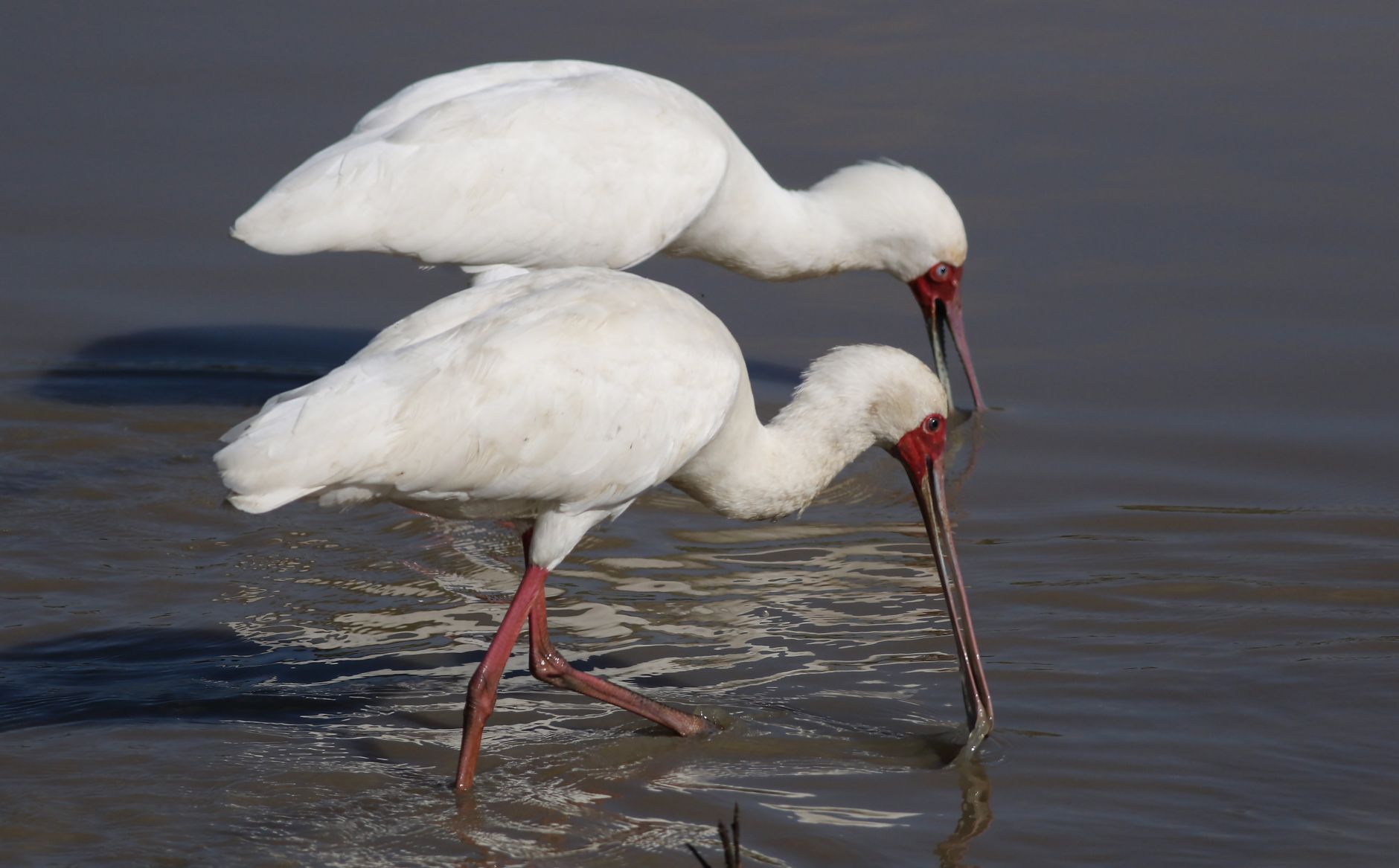
Lake Nakuru National Park stands as one of East Africa’s most celebrated birdwatching destinations, offering a dazzling array of avian species and breathtaking landscapes that captivate wildlife enthusiasts year-round. Nestled within Kenya’s Great Rift Valley, this park is not only renowned for its iconic flamingo populations but also serves as a refuge for a remarkable diversity of resident and migratory birds. For travelers seeking an immersive birding experience complemented by expert guidance and sustainable safari practices, Lake Nakuru provides a richly rewarding encounter that aligns perfectly with thoughtful itinerary planning and eco-conscious travel values.
Discovering the Avian Diversity of Lake Nakuru
Lake Nakuru National Park’s unique ecosystem fosters one of the densest bird populations in the region. Visitors can expect to observe vast flocks of lesser and greater flamingos painting the lake’s shores in vivid pink hues, especially during certain seasons when these charismatic birds feast on the abundant algae. Alongside flamingos, the park offers sightings of majestic African fish eagles, black and white pelicans, hammerkop, and colorful kingfishers, among others. Seasonal migrations introduce rarer species such as the Eurasian curlew and black-necked grebes, enhancing year-round birdwatching appeal for dedicated observers and photographers eager to capture these natural spectacles.
Seasonal Highlights and Prime Birding Zones
The optimal birdwatching periods at Lake Nakuru typically span from November to June, coinciding with Kenya’s rainy seasons when water levels rise and food sources flourish. This abundance attracts breeding colonies and migratory species alike. The southern and eastern shores of the lake are prime vantage points, where viewing platforms and guided safari drives offer close, unobtrusive glimpses of waterbirds and raptors. Areas around the Baboon Cliff and Makalia Falls also present excellent opportunities to encounter both terrestrial and avian wildlife amidst lush woodland and grassland habitats. Planning visits during these periods maximizes bird diversity and photographic opportunities.
Maximizing Your Birdwatching Experience: Practical Safari Tips
Successful birdwatching in Lake Nakuru hinges on thoughtful preparation and mindful practices. Essential gear includes quality binoculars, a camera with zoom lens capabilities, light yet weather-appropriate clothing, and a field guide tailored to East African birds. Early morning and late afternoon safaris are ideal for active bird behavior and softer light for photography. Hiring a local expert bird guide through Traverse Afrika enriches the experience, as their deep knowledge helps identify elusive species, interpret behaviors, and navigate the best birding spots safely.
Ethical and Sustainable Birdwatching Etiquette
Traverse Afrika emphasizes responsible safari tourism that safeguards Lake Nakuru’s fragile environment and its wildlife. Visitors should maintain respectful distances from bird colonies, avoid loud noises or sudden movements, and refrain from disturbing nesting sites. Supporting community-led conservation initiatives and choosing eco-friendly accommodations near the park further ensures that tourism benefits both local people and biodiversity. These practices not only protect species for future generations but also provide travelers with authentic and guilt-free nature encounters.
Crafting a Tailored Birdwatching Itinerary within East Africa’s Northern Circuit
Integrating Lake Nakuru birdwatching into a wider Northern Circuit safari itinerary enriches the overall East African adventure. Traverse Afrika’s curated packages often combine Nakuru with highlights like Masai Mara and Ngorongoro Crater, offering diverse habitats and wildlife spectacles. Multi-day tours allocate sufficient time to explore key birding hotspots while balancing game drives and cultural encounters. Accommodation options range from luxury tented camps with panoramic views to sustainably run lodges that cater to birders’ needs, creating seamless and memorable travel experiences that align with individual preferences and travel rhythms.
Local Expertise and Accommodation Recommendations
Partnering with skilled birding guides who specialize in Lake Nakuru ensures access to lesser-known viewing areas and insights into avifaunal behavior, enhancing the safari quality substantially. Recommended lodges and camps such as those near the lake’s western rim offer excellent proximity to birding sites alongside comfort and sustainability credentials. These establishments often facilitate pre-safari briefings and provide tailor-made services for photographers and birdwatchers, including early morning tracking and night-time resting facilities designed to maximize rest between excursions.
Conclusion: Embrace an Enriching, Eco-Conscious Birdwatching Safari at Lake Nakuru
Lake Nakuru National Park invites passionate birdwatchers and nature lovers to delve into one of Kenya’s richest avian habitats, framed by spectacular landscapes and guided by expert knowledge. By aligning seasonal insights, ethical safari practices, and personalized itinerary planning, travelers can unlock an exceptional birding safari experience that supports conservation and celebrates East Africa’s natural heritage. Traverse Afrika’s bespoke safari services empower visitors to embark on journeys that are not only visually stunning but also responsible and deeply connected to the local environment and communities. Whether as a focused birdwatching escape or part of a broader Northern Circuit adventure, Lake Nakuru remains a premier destination for those inspired by the beauty and biodiversity of Africa’s birdlife.
