
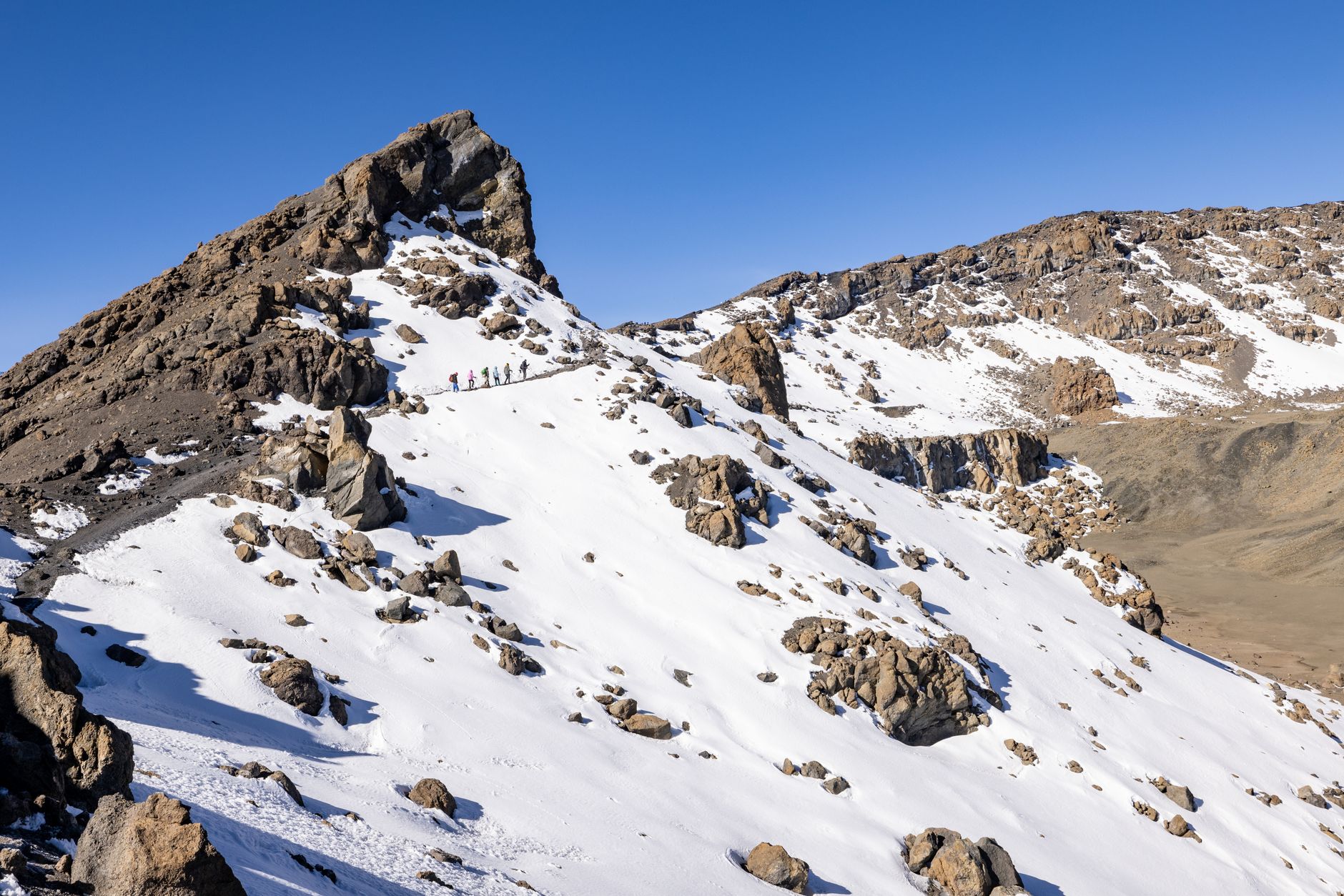
Embarking on a mountain climbing expedition in East Africa presents a thrilling adventure like no other. Mount Kilimanjaro and Mount Kenya stand as iconic peaks offering diverse routes, stunning landscapes, and a chance to connect deeply with the region’s unique cultures and ecosystems. Preparing for these climbs requires more than enthusiasm—it demands thoughtful planning of routes, physical conditioning, appropriate gear, and awareness of sustainable travel practices. This guide equips prospective climbers with essential information and expert guidance from Traverse Afrika, an East African specialist operator dedicated to authentic and responsible adventure travel.
Choosing Your Ideal Route: Kilimanjaro and Mount Kenya Compared
Mount Kilimanjaro, Africa’s highest peak, offers several classic trekking routes tailored to varying fitness levels and adventure preferences. The Machame route, known as the “Whiskey Route,” blends challenging ascents with breathtaking scenery and excellent acclimatization opportunities over seven days. By contrast, the Marangu route provides a more straightforward climb with hut accommodations, appealing to travelers favoring comfort but featuring a steeper acclimatization curve. The Rongai route, approaching from the north, offers a quieter, less crowded path with a gentler gradient, ideal for those seeking solitude and an extended trek experience.
Mount Kenya also boasts diverse climbing options worth detailed consideration. The Sirimon route is popular for its moderate grade and scenic forests transitioning into alpine moorlands, featuring mixed camping and lodge stays. Chogoria presents arguably the most dramatic landscapes with glacial valleys and rare flora but requires more advanced fitness due to its technical sections. Naro Moru, the “Shortest Route,” is a direct but strenuous ascent favored by experienced climbers, while Timau is used primarily for the descent or acclimatization, offering convenient logistics paired with varied terrain.
Each route comes with a distinct profile regarding duration, difficulty, and wildlife or cultural encounters along the way. Understanding these nuances helps climbers tailor their itinerary through Traverse Afrika’s expert guidance, blending adventure with comfort and local insights.
Physical Preparation: Tailored Fitness Plans for Success
Physical readiness is a cornerstone of a successful summit on either Kilimanjaro or Mount Kenya. Unlike technical mountaineering, these treks demand endurance, cardiovascular fitness, and adaptability to altitude rather than advanced climbing skills. Beginners are encouraged to engage in a progressive fitness regime spanning 8 to 12 weeks before the climb, focusing on aerobic exercises such as hiking, running, and cycling complemented by strength training for the lower body and core stability.
Traverse Afrika recommends specific interval training, hill walks with loaded backpacks, and breathing exercises to simulate high-altitude conditions. Experienced climbers also benefit from tailored routines emphasizing stamina and recovery strategies. Rest days and deliberate acclimatization pauses integrated within itinerary planning are critical to avoid altitude sickness, and the operator’s guides provide continuous monitoring and expert advice to safeguard climbers during the ascent.
Essential Gear and Packing List for East African Mountain Climbing
Packing smartly combines functionality with comfort and safety, influencing a climber’s overall experience. Essential clothing layers include moisture-wicking base layers, insulating mid-layers, and durable outer shells that withstand cold temperatures, wind, and potential rain. Footwear recommendations emphasize sturdy, well-broken-in hiking boots with good ankle support and spares of warm socks. Trekking poles, headlamps, gloves, and sun protection gear also feature prominently.
Technical items such as sleeping bags rated for sub-zero temperatures and hydration systems are vital depending on route specifics and camping arrangements. Health essentials include a personal first aid kit, altitude sickness medication if prescribed, insect repellent, and water purification tablets. Traverse Afrika provides comprehensive packing checklists tailored for each route and individual climber needs, ensuring nothing critical is overlooked while promoting minimalist and eco-conscious packing habits aligned with sustainable travel practices.
Practical Acclimatization and Safety Insights
Altitude-related challenges rank among the key risks in high-elevation treks, making acclimatization education and vigilance fundamental. Traverse Afrika’s itineraries incorporate “climb high, sleep low” principles, pacing ascents to allow the body adequate time to adjust. Guides are trained to recognize early symptoms of acute mountain sickness and follow clearly defined emergency protocols, including descent plans and access to medical evacuation if necessary.
Hydration is emphasized throughout the climb to maintain optimal oxygen function and overall health. Climbers are advised to drink at least 3 to 4 liters of water daily, supplemented by balanced nutrition focused on carbohydrates and electrolytes. The operators also conduct pre-trip health screenings and provide tailored recommendations on vaccinations, including malaria prophylaxis and altitude-safe medications.
Embracing Sustainable and Culturally Respectful Climbing Tourism
Traverse Afrika’s mountain climbing experiences extend beyond physical challenges to encompass environmental stewardship and cultural respect. Local communities residing near Kilimanjaro and Mount Kenya benefit directly from responsible tourism initiatives supported by the operator, including fair employment for guides and porters, community conservation projects, and support for local education.
Climbers are encouraged to minimize their environmental footprint by adhering to Leave No Trace principles, using eco-friendly products, and engaging with local cultures in authentic, respectful ways. Along routes, opportunities to visit traditional villages and learn about indigenous heritage add a meaningful dimension to the adventure while fostering greater appreciation of East Africa’s rich cultural tapestry.
Conclusion: Confident Climbing Starts with Informed Preparation
Preparing for a climb on Mount Kilimanjaro or Mount Kenya is an investment in adventure, health, and cultural enrichment. By carefully selecting the route that aligns with your experience and expectations, committing to a focused fitness plan, and equipping yourself with the right gear and knowledge about acclimatization, you set the stage for a rewarding summit. With Traverse Afrika’s expert support emphasizing safety, sustainability, and immersive local engagement, climbers gain more than just a peak conquered—they gain a transformative East African journey.
Explore detailed route pages, fitness tips, and booking information on Traverse Afrika’s website to begin your adventure today, and consider enhancing your trip with a custom safari or beach getaway, completing the quintessential East African experience.
