

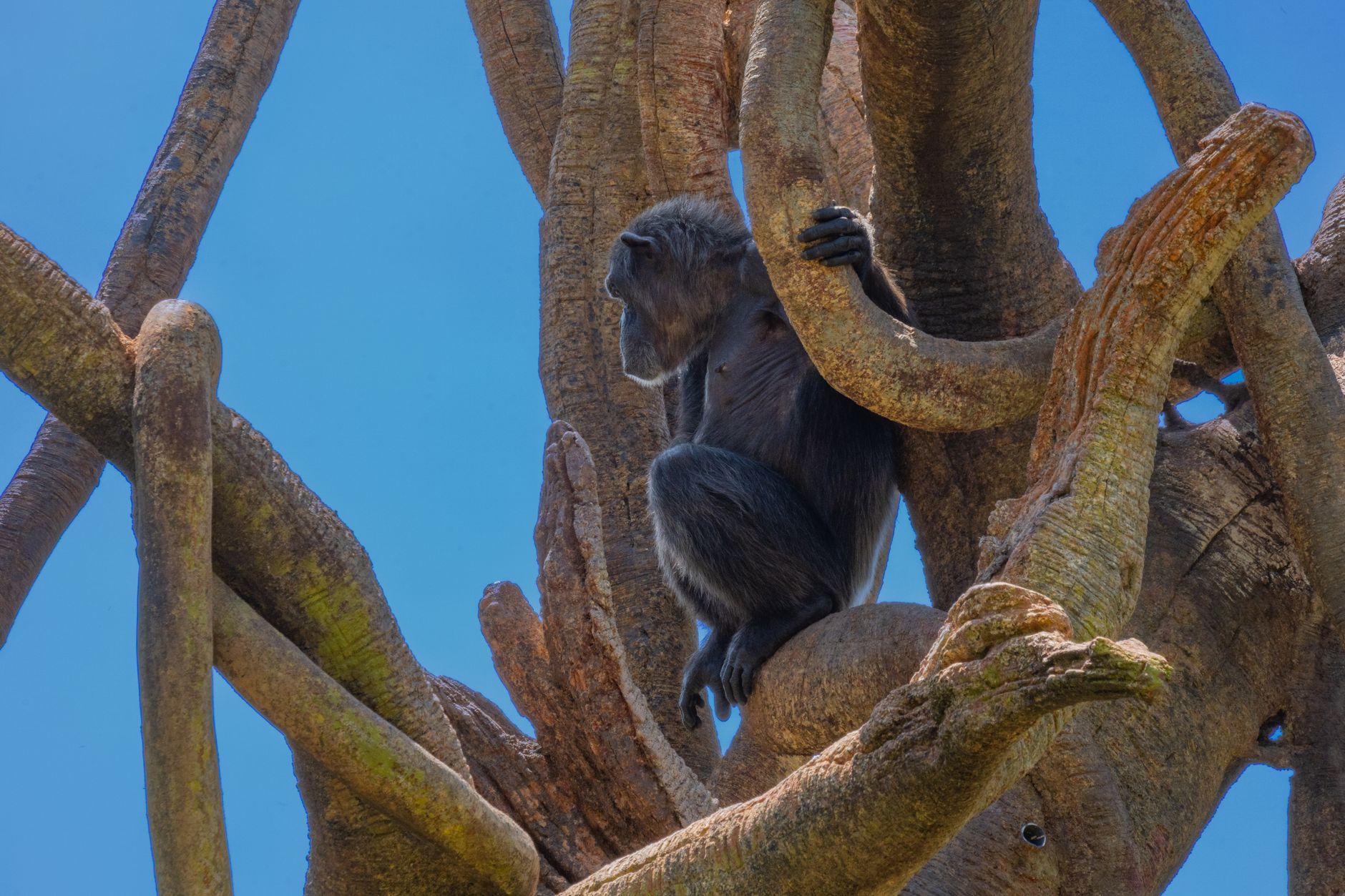
Embarking on a chimpanzee trekking adventure in Uganda promises an unforgettable journey into the heart of primate conservation and East African wilderness. Among Africa’s top wildlife destinations, Kibale and Queen Elizabeth National Parks stand out for their rich biodiversity and thriving chimpanzee populations. This practical guide provides aspiring travelers with essential insights on permits, ethical trekking practices, and how to seamlessly integrate chimpanzee tracking into a larger Ugandan safari itinerary, delivering an informed and responsible experience that respects both wildlife and local communities.
Chimpanzee Trekking Destinations in Uganda: Kibale and Queen Elizabeth National Parks
Kibale National Park, often referred to as the primate capital of East Africa, offers exceptional chimpanzee trekking opportunities within its expansive tropical rainforest. Here, habituated chimpanzee communities can be found roaming in the wild, creating immersive encounters for visitors. Unlike the mountain gorilla trekking of Bwindi, chimpanzee trekking in Kibale involves careful navigation through dense forest trails, requiring a moderate level of fitness and readiness for variable weather conditions.
Queen Elizabeth National Park presents a contrasting chimpanzee trekking experience. While famed for its varied wildlife including plains game and tree-climbing lions, it also hosts chimpanzees mainly in the Kyambura Gorge area. This location combines scenic views with primate tracking, making it an appealing addition to those desiring a multi-faceted safari itinerary. Both parks showcase Uganda’s diverse ecosystems and are pivotal for conservation awareness and primate research.
Obtaining Permits and Planning Your Trekking Experience
Securing chimpanzee trekking permits is a critical first step when planning your visit. Due to the controlled nature of primate tourism aimed at minimizing human impact, visitor numbers are strictly regulated through a permit system managed by Uganda Wildlife Authority and allied organizations. Early booking, preferably months in advance, especially during peak seasons between June to September and December to February, is recommended to ensure availability.
Traverse Afrika simplifies this process by assisting travelers with permit acquisition, guiding through the necessary documentation, government approvals, and fees. Permit prices vary depending on the park, with Kibale generally commanding higher demand. It’s vital to book through authorized tour operators to secure legitimate permits and support conservation efforts. Alongside permits, logistical arrangements such as transfers, accommodations, and local guiding services form integral parts of a well-planned chimpanzee trekking journey.
Ethical Guidelines and Responsible Wildlife Encounters
Chimpanzee trekking is not merely a sightseeing activity but a privilege that demands respect for primates and their habitat. Ethical guidelines are strictly enforced to minimize disturbance and disease transmission risks to the chimpanzee communities. Visitors must maintain a safe distance—typically around 7 meters—limit trekking groups to a maximum of eight participants, and restrict treks to one hour per group. Physical contact or loud noises are prohibited to ensure that the wildlife remains undisturbed and the integrity of the ecosystem is maintained.
Traverse Afrika emphasizes the importance of educating travelers on these protocols and promotes eco-friendly best practices. Wearing neutral-colored clothing, avoiding flash photography, and following the expert tracking guides’ instructions enhance both visitor safety and animal welfare. These principles extend beyond trekking to the overall safari experience, fostering a culture of responsible tourism that benefits conservation and local communities alike.
Integrating Chimpanzee Trekking into a Broader Ugandan Safari
Chimpanzee trekking in Kibale or Queen Elizabeth National Parks pairs beautifully with other primate-focused safaris, particularly mountain gorilla trekking in Bwindi Impenetrable National Park. Traverse Afrika offers expertly tailored multi-day itineraries that connect these highlights with broader wildlife viewing in Uganda’s renowned protected areas, such as Kazinga Channel boat cruises and safaris spotting lions, elephants, and hippos.
Travelers can choose from luxury African safari lodges and tented camps that provide eco-friendly accommodations blending comfort with sustainability. Combining chimpanzee trekking with cultural visits to local Batooro and Bakonzo communities enriches the itinerary with meaningful engagement beyond wildlife. This integration optimizes travel time, logistical ease, and immersive experiences for an archetypal East African adventure.
Practical Tips: What to Bring, When to Visit, and Health Considerations
Preparing for chimpanzee trekking requires packing versatile gear suitable for humid forest environments. Essential items include sturdy hiking boots, long-sleeved shirts, insect repellent, binoculars, and waterproof clothing. Photography enthusiasts should bring zoom lenses to capture primate behavior from a respectful distance. Physical fitness should align with moderate hiking demands, as trails may be uneven and require agility, especially in Kibale’s rainforest terrain.
The best periods for chimpanzee trekking coincide with Uganda’s dry seasons when trail conditions are optimal and wildlife activity is heightened. Travelers should also consult health advisories, particularly regarding yellow fever vaccination, malaria prophylaxis, and general travel health precautions. Traverse Afrika provides comprehensive pre-trip briefings to prepare visitors thoroughly, ensuring a safe and rewarding primate trekking experience.
Conclusion: Experience Uganda’s Chimpanzees with Confidence and Care
Uganda’s chimpanzee trekking offers an extraordinary encounter with one of humanity’s closest relatives set against stunning natural backdrops rich in biodiversity and cultural heritage. By understanding permit processes, respecting ethical trekking principles, and integrating experiences with Uganda’s wider safari offerings, travelers can craft journeys that are as responsible as they are exhilarating. With dedicated local support from Traverse Afrika, enthusiasts can navigate the complexities of primate trekking logistics and conservation priorities with confidence, fostering memories that celebrate both adventure and stewardship of East Africa’s remarkable wildlife.
