

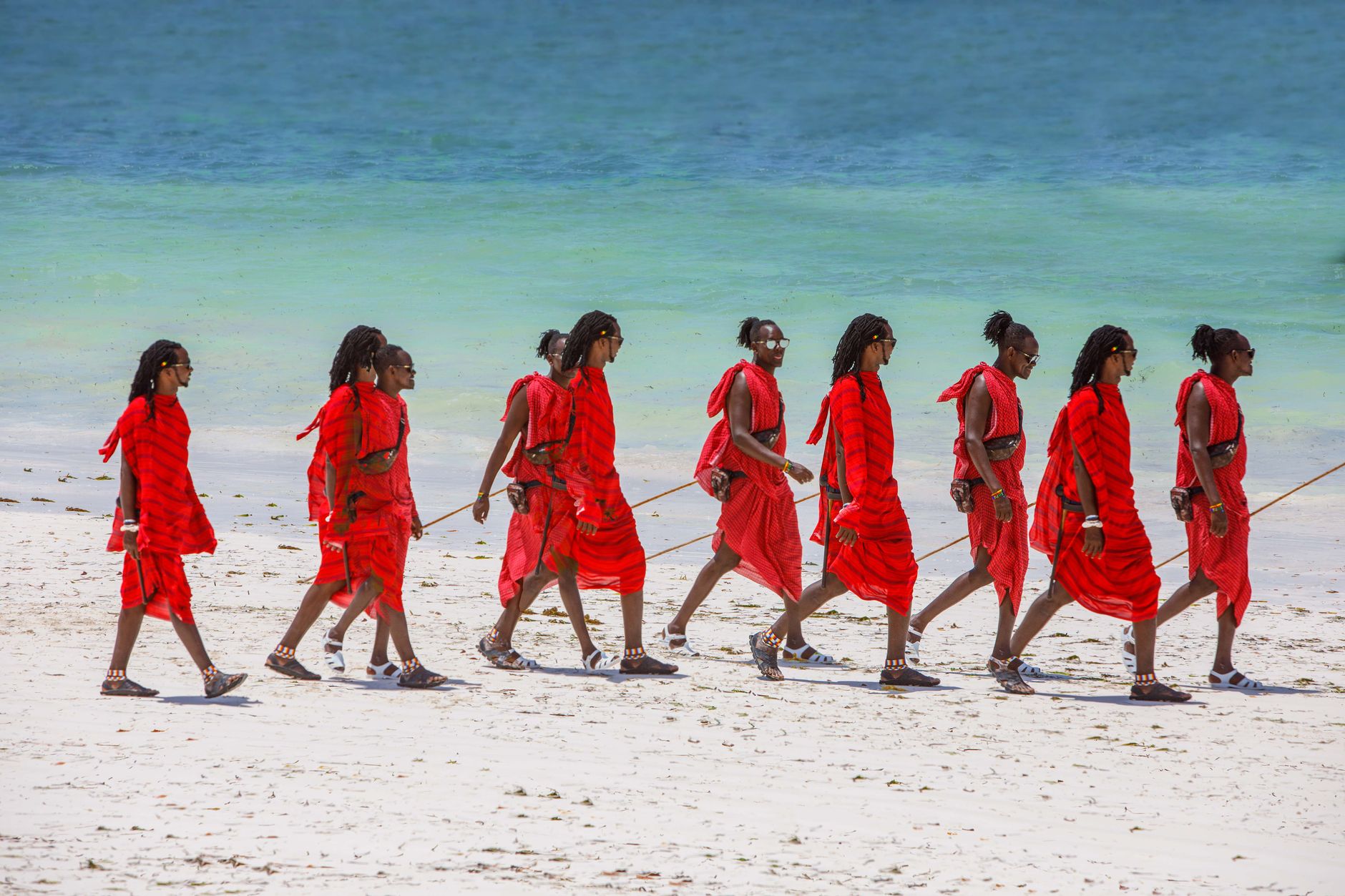
Embarking on an East African safari is a journey not just through breathtaking landscapes and spectacular wildlife, but also into the heart of ancient and vibrant cultures. Among the most captivating cultural experiences are encounters with the Maasai people and the coastal communities along the Indian Ocean, each offering unique traditions that have thrived for centuries. However, to truly appreciate these encounters, it’s essential to approach them with respect, understanding, and mindfulness. This guide unfolds practical etiquette and insider tips to help you engage with Maasai and coastal cultures authentically and ethically during your Traverse Afrika safari or beach tour.
Understanding the Maasai and Coastal Communities
The Maasai are among the most iconic East African tribes, primarily inhabiting areas near the Masai Mara National Reserve and parts of Tanzania’s Serengeti region. Renowned for their distinctive red shukas, elaborate beadwork, and pastoral lifestyle, the Maasai maintain a deep spiritual connection with their land and cattle, which are central to their identity. Meanwhile, East Africa’s coastal communities, such as the Swahili people across Zanzibar and the Tanzanian coast, represent a cultural mosaic influenced by centuries of Arab, African, Persian, and European interactions. Their traditions include vibrant festivals, dhow sailing, Swahili cuisine, and intricate Islamic and indigenous customs. Both communities play a vital role in the tapestry of East African heritage and are integral to Traverse Afrika’s culturally immersive tours.
Key Etiquette for Respectful Cultural Engagement
When visiting Maasai villages or coastal settlements, observance of social norms and cultural protocols is fundamental. Start by greeting locals with genuine friendliness—simple Swahili greetings like “Jambo” (Hello) or “Habari” (How are you?) are appreciated and help bridge cultural distances. Respecting privacy is paramount; always ask permission before photographing individuals, particularly during ceremonies or private moments. Appropriate dress is also important—modest clothing helps avoid unintended offense, especially in coastal areas with strong Islamic influence. Visitors should refrain from giving money directly to children or individuals to prevent dependency and instead contribute through community projects or purchases of authentic crafts offered by locals. Listening attentively without interrupting during storytelling or cultural demonstrations honors centuries of knowledge-sharing traditions.
Dos and Don’ts in Cultural Visits
Do embrace invitations to join traditional dances or partake in local meals, as these experiences deepen connection and understanding. When visiting Maasai homesteads (manyattas), remove your shoes upon entering and avoid touching people’s belongings uninvited. In coastal villages, be mindful that Friday is a sacred day for prayers, limiting public events or festivities. Don’t engage in behaviors considered disrespectful, such as raising your voice, making sudden movements, or bargaining aggressively for crafts. Avoid discussing sensitive topics like tribal conflicts or politics, as these are complex and private matters. Lastly, do support responsible tourism by choosing Traverse Afrika’s guided tours that collaborate directly with communities, ensuring your visit benefits local livelihoods sustainably.
Integrating Cultural Visits into Your Traverse Afrika Safari or Beach Tour
Traverse Afrika’s bespoke itineraries weave cultural visits seamlessly with wildlife safaris and coastal relaxation. For instance, a Masai Mara safari may include a guided walk through a Maasai village, providing insights into bead-making, warrior traditions, and pastoral life. On the Tanzanian coast or Zanzibar, cultural tours highlight Swahili heritage through spice farm visits, Stone Town explorations, and interactions with dhow fishermen. These carefully curated experiences are led by expert guides who act as cultural translators, enhancing understanding while ensuring interactions are mutually respectful. Such integrations enrich your travel narrative, offering moments that go beyond game drives to touch on the enduring human stories of East Africa.
Supporting Communities Through Ethical Tourism
Respectful cultural tourism is not only about appropriate behavior during visits; it also involves consciously contributing to the well-being and preservation of these communities. Traverse Afrika emphasizes sustainable tourism practices where a portion of tour proceeds supports local schools, health initiatives, and conservation projects. Purchasing handcrafted Maasai beadwork or Swahili textiles directly from artisans empowers economic independence and cultural preservation. Furthermore, by participating in community-led tours rather than unregulated encounters, travelers ensure that cultural performances and ceremonies remain authentic and are not exploited solely for entertainment. This approach nurtures pride and sustains traditions for future generations.
Practical Communication Tips and Avoiding Misunderstandings
Basic familiarity with local languages and customs significantly enhances your cultural experience. Learning simple phrases in Maa, the Maasai language, or Kiswahili signals respect and openness. Accept that some cultural nuances may initially seem unfamiliar; patience and humility go a long way in avoiding unintentional disrespect. Travelers are encouraged to ask questions thoughtfully rather than interrupt or challenge traditions. Always follow your guide’s advice on conduct, as they possess invaluable local knowledge. When uncertain about gestures or acceptable behavior, observing locals discreetly can provide helpful cues, ensuring your presence is welcomed rather than intrusive.
Conclusion: Embrace Authentic Connections with Respect
Experiencing Maasai and coastal cultures during your East African adventure opens windows into profound and living histories that shape the region’s identity. By approaching these encounters with well-informed respect and sensitivity, you unlock truly meaningful interactions that enrich your safari or beach tour. Traverse Afrika’s expert-led cultural experiences foster not only unforgettable memories but also support for the communities whose traditions welcome the world’s travelers. As you prepare for your journey, keep in mind that your curiosity paired with cultural humility becomes a bridge—connecting you to East Africa’s vibrant human heritage in luminous, lasting ways.
