
Embarking on a primate trekking safari in Uganda is an adventure filled with awe-inspiring encounters and deep conservation significance. The country’s Bwindi Impenetrable, Kibale, and Queen Elizabeth National Parks offer some of the world’s finest opportunities to witness mountain gorillas and chimpanzees in their natural habitat. However, a successful visit requires thorough preparation — from securing permits to understanding ethical wildlife viewing practices, and appreciating how your journey helps preserve these extraordinary ecosystems. This guide unpacks essential details to help travelers plan immersive, responsible, and transformative primate trekking experiences with Traverse Afrika’s expert support.
Exploring Uganda’s Primate Treasures: Park Profiles and Unique Experiences
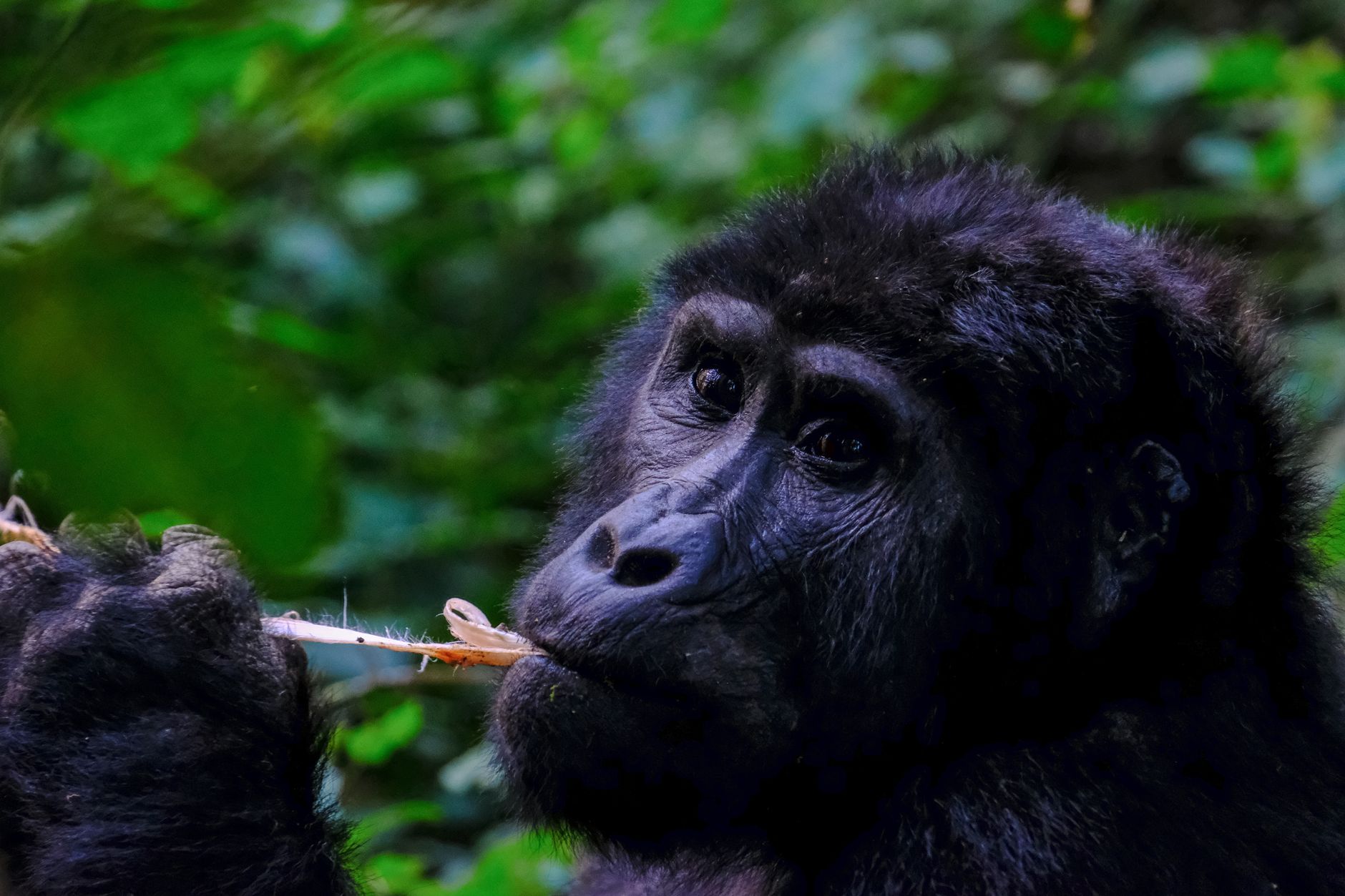
Each of Uganda’s premier primate parks provides a distinctive safari setting and wildlife viewing opportunity. Bwindi Impenetrable National Park is renowned worldwide for mountain gorilla trekking. Its dense, ancient rainforest shelters over half of the world’s endangered mountain gorillas, allowing visitors to observe these majestic great apes up close during guided treks that range in difficulty but always deliver unforgettable encounters. In contrast, Kibale National Park is celebrated for its remarkable diversity of primates, particularly its large chimpanzee troops. Chimpanzee tracking in Kibale blends easier hikes with rich primate ecology, complemented by birdwatching and forest walks.
Queen Elizabeth National Park, combining primate viewing with classic African savannah wildlife, offers a balanced safari experience. Although less famous for gorillas, its diverse habitats host habituated chimpanzees in Kyambura Gorge, along with elephants, lions, and hippos. Together, these parks showcase Uganda’s exceptional biodiversity, inviting travelers to connect with wildlife in varied landscapes, from misty montane forests to sprawling savannah plains, all while supporting different conservation initiatives driven by Traverse Afrika’s tailored tours.
Permits and Practicalities: Navigating the Essentials for Primate Trekking
Securing permits is a critical first step for any genuine primate trekking adventure. Uganda’s Wildlife Authority regulates strict daily visitor quotas to minimize environmental impact and disturbance to primates. For mountain gorilla trekking in Bwindi, permits cost around $700 per person and require advance booking due to high demand and limited allocation. Chimpanzee tracking permits in Kibale are more accessible but still compulsory to ensure sustainable tourism, typically priced at about $150 per trekker. Queen Elizabeth’s chimpanzee permits are likewise essential and can be bundled with game drives for an integrated safari experience.
Planning your trek involves more than just permits. Consider the best visiting seasons: dry months from June to September and December to February are optimal for trekking conditions, offering reduced rain and better trail access. Trekking can be physically demanding; preparation including reasonable fitness, appropriate hiking gear, and malaria prophylaxis is recommended. Traverse Afrika provides comprehensive logistics support, from securing permits to arranging accommodation — whether luxury lodge, tented camp, or community guesthouse — and coordinating transfers, ensuring a seamless and stress-free journey.
Ethical Wildlife Encounters: Best Practices for Responsible Primate Viewing
Ethics and respect underpin all primate trekking experiences promoted by Traverse Afrika. Maintaining a safe distance, limiting group size, and restricting visit times are vital to protect the primates’ wellbeing. Visitors must follow guides’ instructions strictly, avoid flash photography, and refrain from touching or feeding animals. Such protocols are designed to reduce disease transmission risks and minimize behavioral disruption, preserving the habituation process that enables these remarkable encounters.
Traverse Afrika’s expert guides impart detailed background on primate behavior and conservation challenges, cultivating visitor awareness and fostering empathy. Responsible viewing fosters a deeper connection with nature and ensures that Uganda’s primate populations continue to thrive. By supporting tours committed to ethical standards, travelers contribute to the long-term sustainability of these fragile ecosystems and the livelihoods of local communities.
Conservation and Community Benefits: How Your Trek Supports Uganda’s Wildlife Future
Primate trekking in Uganda is not only a bucket-list experience but a powerful conservation and development tool. Permit fees directly fund anti-poaching patrols, habitat restoration, and research initiatives vital to the survival of mountain gorillas and chimpanzees. Beyond fiscal contributions, community-based projects supported by Traverse Afrika help build alternative livelihood opportunities, such as eco-tourism enterprises and craft cooperatives, reducing pressure on forest resources.
These grassroots efforts nurture a sense of custodianship among local residents and promote cultural pride, reinforcing environmental stewardship in tandem with park authorities’ conservation goals. Guests often hear firsthand stories of how their visits have transformed villages and empowered conservation champions, making every trek a meaningful journey that benefits both people and wildlife.
Planning Your Journey: Practical Tips for a Memorable Uganda Primate Trekking Safari
To make the most of your Uganda primate trekking adventure, pack suitable lightweight, moisture-wicking clothing, sturdy waterproof hiking boots, and essential gear such as rain jackets, insect repellent, and binoculars. Travelers should stay up to date on recommended vaccinations and adhere to malaria prevention protocols. Cameras and smartphones are encouraged but must be used considerately to avoid disturbing wildlife.
Many visitors choose to combine primate trekking with classic East African wildlife safaris or cultural tours, creating rich and varied itineraries. Traverse Afrika offers customized packages blending Bwindi gorilla treks, Kibale chimpanzee tracking, and Queen Elizabeth safaris with tailored accommodation choices and expert guiding. This flexibility enhances your journey, catering to varying fitness levels, interests, and travel styles while maintaining a strong foundation of sustainable tourism principles.
Conclusion: Embark on a Responsible and Life-changing Primate Trekking Safari
Uganda’s primate trekking parks are gateways to immersive wildlife experiences that inspire awe and foster conservation commitment. By understanding the permit system, preparing physically and logistically, practicing ethical wildlife viewing, and appreciating the broader benefits your journey delivers, you ensure a safari that is both memorable and meaningful. Traverse Afrika’s specialized tours provide dedicated local expertise and sustainable travel frameworks that prioritize primate protection and community development. Embark confidently on this extraordinary adventure and contribute to preserving Uganda’s remarkable primate heritage for generations to come.
