
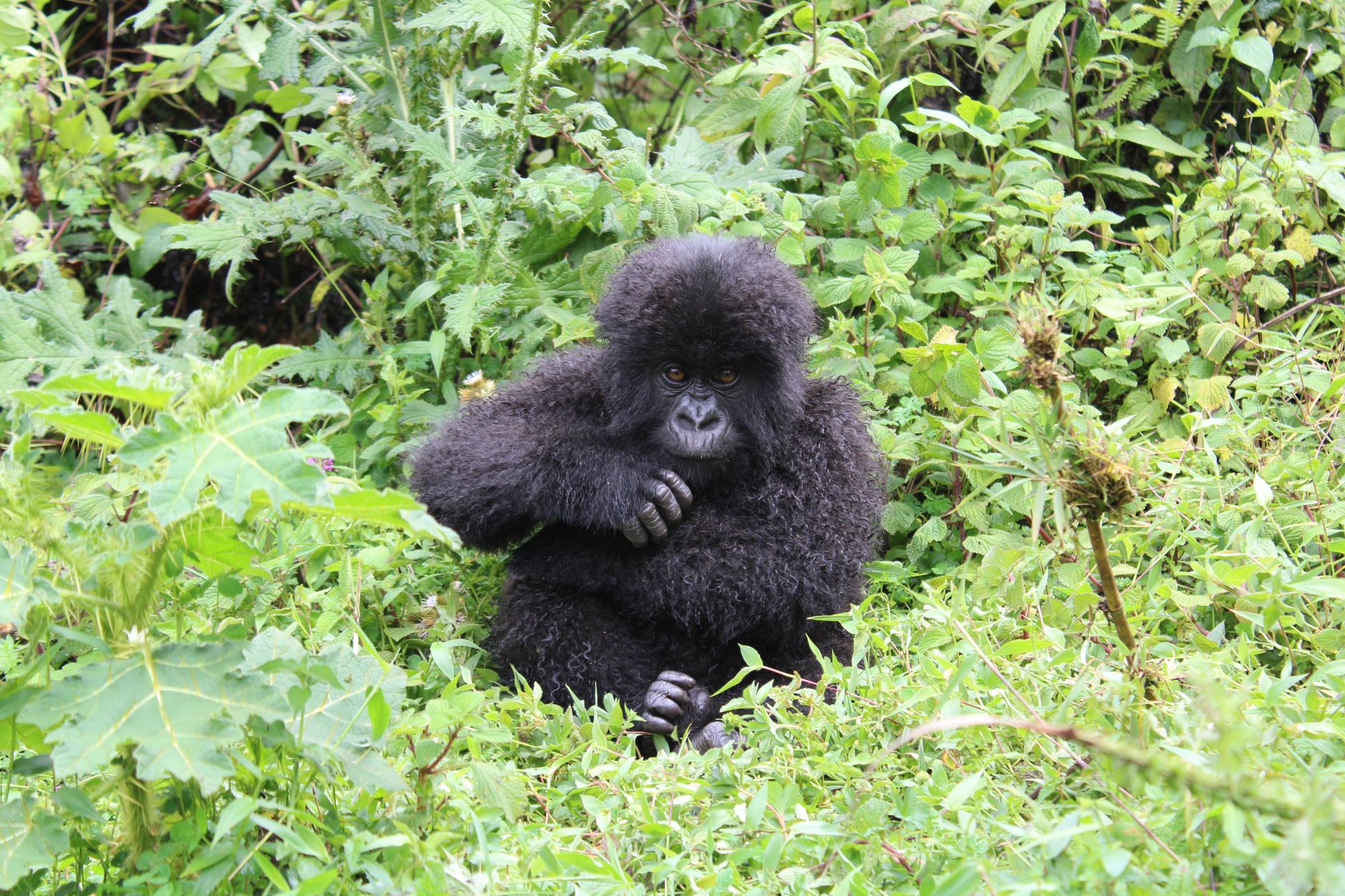
Embarking on a gorilla trekking adventure in Uganda’s Bwindi Impenetrable Forest is a truly unforgettable experience that captivates wildlife lovers, adventure seekers, and eco-conscious travelers alike. This verdant UNESCO World Heritage Site is home to one of the world’s last remaining populations of endangered mountain gorillas. However, such a unique encounter requires thoughtful preparation, adherence to strict ethical guidelines, and a commitment to sustainable tourism. Understanding the permit process, observing gorilla trekking ethics, and planning a responsible trip are essential steps to ensure an enriching, safe, and environmentally conscious journey.
Securing Gorilla Trekking Permits: Step-by-Step Preparation
Gorilla trekking permits are a crucial prerequisite for entering Bwindi Impenetrable National Park and are tightly regulated by the Uganda Wildlife Authority (UWA) to protect the fragile gorilla populations. Due to high demand and limited visitor numbers, obtaining a permit well in advance is essential to secure a spot. Traverse Afrika offers expert consultation and booking services to streamline this process, ensuring travelers can focus on the adventure ahead without administrative hassle.
The application begins with selecting preferred trekking dates, ideally during dry seasons (June–September and December–February) when trails are more accessible. Each permit covers one hour of guided gorilla viewing in the forest, and permits are priced by UWA, with proceeds directly supporting conservation and local communities. After confirming availability, permits are officially reserved and payment coordinated through trusted channels. Due to the sensitive nature of these permits, last-minute requests are rarely accommodated, hence early planning is encouraged.
For first-time and experienced trekkers, coordinating with a knowledgeable operator like Traverse Afrika ensures compliance with park policies, timely permit issuance, and thorough briefing on pre-trek requirements like health checks and COVID-19 protocols where applicable.
Ethical Guidelines for Responsible Gorilla Encounters
Gorilla trekking in Bwindi demands strict observance of ethical standards to protect the wellbeing of these endangered primates and their habitat. Close interactions with gorillas can potentially transmit human diseases or cause stress to the animals, so regulated viewing is essential.
- Maintain a minimum distance of 7 meters: Visitors must keep this distance from gorillas at all times, avoiding any physical contact.
- Limit viewing time to one hour: This reduces disturbances and preserves the gorillas’ natural behaviors.
- Follow guide instructions diligently: Local guides are trained to manage group behavior and ensure both visitor safety and gorilla protection.
- Avoid loud noises and sudden movements: Stealth and calm are critical during the trek.
- No eating or smoking near gorillas: To prevent accidental ingestion of harmful substances and preserve air quality.
- Health precautions: Visitors showing signs of illness are advised to postpone trekking to prevent disease transmission.
By respecting these guidelines, travelers contribute meaningfully to gorilla conservation efforts and foster positive interactions with Bwindi’s wildlife, supporting long-term preservation.
Sustainable Tourism: Supporting Bwindi’s Environment and Communities
Sustainability is at the core of responsible gorilla trekking. Bwindi Impenetrable Forest is not only a sanctuary for gorillas but also home to the Batwa people and other local communities whose livelihoods depend on the forest’s health. Sustainable tourism practices help safeguard this delicate ecosystem while providing economic benefits to residents.
Traverse Afrika integrates sustainability into every aspect of its gorilla trekking tours, such as:
- Partnering with local Batwa and nearby communities to ensure tours generate direct employment and cultural exchange opportunities.
- Supporting anti-poaching initiatives and habitat restoration programs funded through tourism revenue.
- Encouraging use of eco-friendly accommodations and minimizing single-use plastics during treks.
- Educating travelers about the forest’s ecological importance and respectful cultural interactions.
Choosing operators who prioritize sustainability ensures your visit contributes positively to Bwindi’s conservation legacy and enhances community resilience.
Preparing for the Trek: Health, Gear, and Fitness
Trekking through the dense, often rugged terrain of Bwindi Impenetrable Forest requires good physical preparation and appropriate gear. The altitude ranges from about 1,160 to 2,607 meters, and slopes can be steep and muddy, especially during rainy periods.
Health experts recommend travelers be in good general health and capable of walking several hours through the forest. Key preparation tips include:
- Booking a medical check-up and confirming necessary vaccinations, such as yellow fever and routine immunizations.
- Carrying insect repellent, sturdy hiking boots, lightweight long-sleeve shirts, rain jackets, and gloves.
- Bringing essential items like water, snacks, a headlamp, and a walking stick (provided by guides or available locally).
- Using face masks during close interactions to further reduce potential disease transmission risks.
Traverse Afrika’s expert team offers detailed pre-trip advice and helps coordinate all necessary arrangements to prepare trekkers for a smooth, safe outing.
Exploring Bwindi Impenetrable National Park: Routes and Guides
Bwindi’s dense forest canopy and steep valleys create seven distinct trekking sectors, including Buhoma, Nkuringo, Ruhija, and Rushaga, each offering different trekking experiences tailored to varying fitness levels and group sizes. Guides accompanying each trek provide valuable insights into gorilla behavior, forest ecology, and local culture.
Trekking groups are kept small—usually no more than eight—to minimize environmental impact and maximize the quality of the encounter. Guides are certified by UWA and skilled in both navigation and safety, playing a crucial role in protecting trekkers and wildlife alike. Additionally, trackers head into the forest ahead of trekkers to locate gorilla families, ensuring efficient and safe approaches during the gorilla viewing hour.
Planning Your Bwindi Gorilla Trekking Experience with Traverse Afrika
Booking a gorilla trekking tour through Traverse Afrika guarantees not only expert logistical support for permits, accommodations, and transfers but also a commitment to ethical and sustainable travel principles. Their bespoke packages balance immersive wildlife encounters with cultural interactions, offering visitors comprehensive support from arrival to departure.
With a deep understanding of local ecosystems and community needs, Traverse Afrika ensures your gorilla trekking adventure is impactful for conservation, rewarding for travelers, and beneficial for Bwindi’s people. Planning early, respecting park regulations, and traveling responsibly will make your Bwindi experience both magical and meaningful.
Conclusion: Your Path to a Meaningful Bwindi Gorilla Trekking Journey
Gorilla trekking in Bwindi Impenetrable Forest is much more than a wildlife excursion—it’s a profound journey into one of Africa’s last great wildernesses that demands respect, preparation, and care. Navigating the permit system, adhering to strict ethical guidelines during gorilla encounters, and embracing sustainable tourism practices are essential to preserving this extraordinary ecosystem and its inhabitants.
By choosing knowledgeable partners, preparing thoughtfully, and committing to responsible travel, you will not only witness mountain gorillas in their natural habitat but also contribute to ongoing conservation and community efforts essential for their future survival. Your adventure with Bwindi’s gentle giants awaits, promising memories that inspire lifelong stewardship of our wild heritage.
